Understanding the Cherry Picker
What is a Cherry Picker?
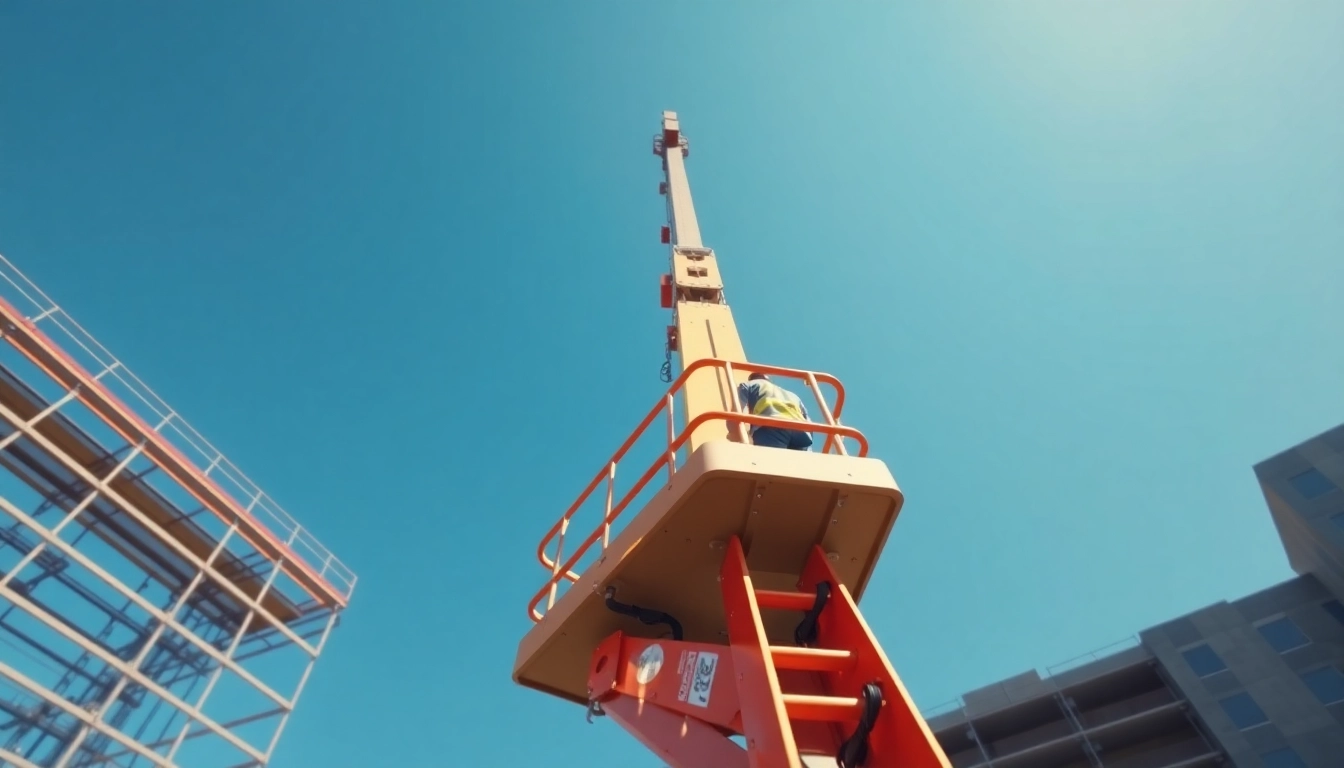
A cherry picker, also known as an aerial work platform or boom lift, is a versatile piece of equipment designed for lifting personnel and equipment to high or hard-to-reach locations. Originally created to assist in the harvesting of cherries from tall trees, these machines have evolved significantly and are now commonly used in various industries for maintenance, construction, and installation tasks. The structure typically consists of a platform or bucket attached to a hydraulic lift, allowing for significant vertical mobility while ensuring the safety of the workers inside the platform.
Key Features of Cherry Pickers
Cherry pickers boast a range of features tailored to enhance operational efficiency and safety. The following are some of the prominent characteristics:
- Height Range: Cherry pickers come in various models with lifting heights ranging from 30 feet to over 100 feet, catering to different job requirements.
- Articulation: Many cherry pickers include articulated booms that allow the platform to reach around obstacles, making them ideal for jobs in cluttered or tight spaces.
- Weight Capacity: With capacities often ranging from 200 to 1,000 pounds, cherry pickers can accommodate multiple workers and their tools, enhancing productivity.
- Power Sources: They are available in electric, diesel, and hybrid models to suit various job sites and environmental concerns.
- Maneuverability: Many cherry pickers are designed to be compact and highly maneuverable, which allows them to easily navigate through job sites.
Common Uses of Cherry Pickers
Cherry pickers serve a multitude of functions across different industries. Their ability to safely elevate workers makes them an invaluable asset for various applications, including:
- Construction: Used for tasks such as installing roofing, electrical systems, and HVAC units at heights.
- Maintenance: Ideal for routine inspections and repairs on tall structures like bridges, communication towers, and buildings.
- Tree Care: Arborists utilize cherry pickers for tree trimming and removal, especially for tall or inaccessible branches.
- Event Setup: Used in the events industry to set up lighting and decorations in high places without risking safety.
- Telecommunications: Essential for working on high telephone poles and radio towers, ensuring connectivity.
Choosing the Right Cherry Picker
Factors to Consider for Selection
Selecting the appropriate cherry picker involves considering multiple factors that influence safety, efficiency, and overall suitability for specific tasks. Key aspects include:
- Height Requirements: Assess the maximum height needed for the job and choose a model that can comfortably reach it.
- Weight Capacity: Determine the weight of the personnel and equipment being lifted to select a cherry picker with adequate load capacity.
- Terrain Conditions: Evaluate the work environment. For rough terrains, all-terrain cherry pickers may be required.
- Mobility: Consider whether the cherry picker needs to be towed or if a self-propelled model is more suitable.
- Power Source: Decide on the necessary power source based on site constraints (electricity access, noise levels, etc.).
Different Types of Cherry Pickers
Various types of cherry pickers exist, each serving unique purposes. Here are some common types:
- Telescopic Boom Lifts: Feature a straight boom that extends vertically, suitable for direct vertical access.
- Articulating Boom Lifts: Have articulated sections that enable the platform to reach over obstacles and work around structures.
- Scissor Lifts: These provide vertical lifting but do not offer outreach capabilities; ideal for stable work platforms at lower heights.
- Towable Cherry Pickers: Can be towed behind a vehicle and are easily transportable, making them suitable for various job sites.
- Self-Propelled Cherry Pickers: Combines mobility with height, allowing operators to transport themselves directly to job locations.
Assessing Job Requirements
Before selecting a cherry picker, it's essential to conduct a thorough assessment of the job requirements. Consider the following:
- Analyze the specific tasks that need to be performed at height.
- Evaluate the expected duration of the job to ensure the cherry picker is sufficiently durable.
- Gauge the potential for adverse environmental conditions (wind, rain) that may impact safety and performance.
- Check for any restrictions in the work area, such as overhead power lines or nearby structures that could influence equipment choice.
Safety Practices When Using a Cherry Picker
Essential Safety Gear
Safety should always be the foremost concern when operating or working from a cherry picker. Essential safety gear includes:
- Hard Hats: Protect against head injuries from falls or overhead hazards.
- Safety Harnesses: Must be worn when the platform exceeds specified heights to prevent falls.
- Non-slip Footwear: Ensures proper grip on the platform, minimizing slip hazards.
- High-visibility Clothing: Enhances visibility to other workers and equipment operators on job sites.
Operator Training Requirements
Proper training is essential before operating a cherry picker. Operators should:
- Complete a certified training program that covers operation techniques, safety protocols, and emergency procedures.
- Understand the specific cherry picker model's mechanics and functionalities.
- Be evaluated through practical tests to ensure competency in the safe operation of equipment.
Common Safety Protocols
Adhering to safety protocols is vital to ensure a safe working environment. Key protocols include:
- Conducting pre-operation inspections to ensure the equipment is in good working condition.
- Establishing a safe working area and keeping it clear of unauthorized personnel.
- Following manufacturer guidelines for load capacities and operational limits.
- Utilizing the cherry picker only on stable and level surfaces to avoid tipping.
- Implementing a buddy system or communication strategy for elevated tasks.
Maintaining Your Cherry Picker
Routine Maintenance Checklist
Regular maintenance prolongs the lifespan and ensures the safety of your cherry picker. Key maintenance tasks include:
- Inspecting boom and scissor lift for wear or damage.
- Ensuring hydraulic systems are functioning correctly and free from leaks.
- Testing safety devices such as alarms and emergency stop buttons.
- Checking tire condition and inflation for durability.
- Regularly cleaning the equipment to prevent dirt and debris buildup.
Troubleshooting Common Issues
Regular use can lead to wear and potential issues. Common problems include:
- Slow operation: May suggest hydraulic issues; check for leaks or low fluid levels.
- Inability to reach desired height: Could indicate mechanical failure; inspect the boom and hydraulic system.
- Unstable platform: Check for proper setup and levelness, adjusting if necessary.
Storing Your Cherry Picker Safely
Proper storage of cherry pickers is crucial for their longevity. Guidelines for safe storage include:
- Store in a protected, dry environment to reduce exposure to moisture and corrosion.
- Ensure that the machine is clean before storage, removing dirt and debris.
- Disconnect the battery if applicable to prevent drainage or fire hazards.
- Utilize wheel chocks or stabilization measures if storing on inclines.
Frequently Asked Questions about Cherry Pickers
How high can a cherry picker reach?
Cherry pickers can reach heights ranging from 30 feet to over 100 feet, depending on the model and type.
Can cherry pickers be used indoors?
Yes, many cherry pickers are suitable for indoor use, especially electric models with lower noise and emissions.
What are the licensing requirements for operating a cherry picker?
Operators typically require specific training and certification based on local regulations and safety standards.
What’s the difference between cherry pickers and scissor lifts?
Cherry pickers have boom arms for outreach, while scissor lifts primarily provide vertical lifting without outreach capabilities.
How do I transport a cherry picker?
Cherry pickers can be transported on trailers or flatbed trucks; ensure they are secured and adhere to size regulations.