Understanding Integrated Modular Systems
In today's fast-paced industrial environment, the need for effective and efficient water treatment solutions has never been more critical. Integrated Modular Systems are at the forefront of this revolution, offering businesses a versatile and adaptable approach to manage their water treatment challenges. These systems integrate multiple functions into a single cohesive framework, leading to improved operational efficiency and reduced costs. When exploring options, Integrated Modular Systems deliver comprehensive insights into how businesses can streamline their water management practices.
What are Integrated Modular Systems?
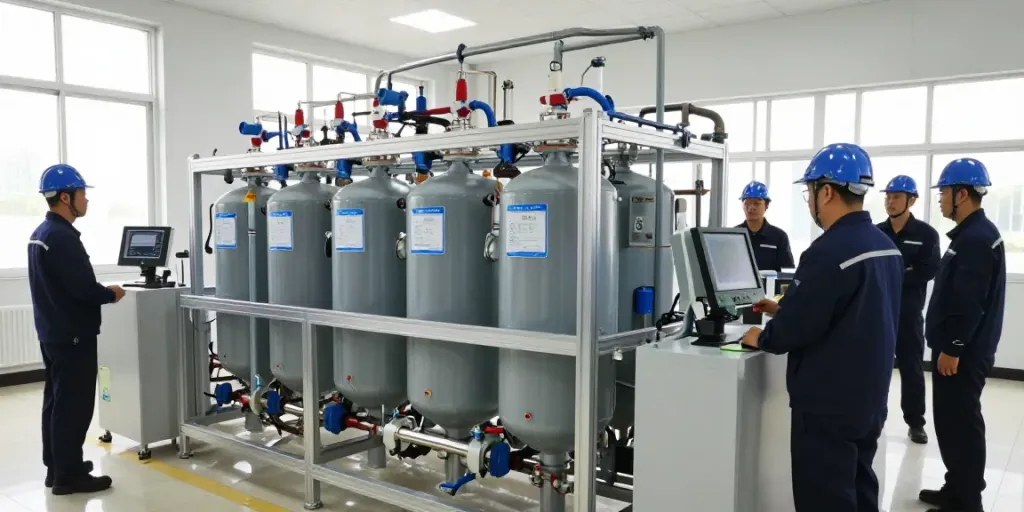
Integrated Modular Systems (IMS) refer to a sophisticated setup where various functional modules are combined into a single system, allowing for seamless operation and management. In the context of water treatment, these systems can handle various processes, including filtration, chemical treatment, and sludge management. The modular design enables companies to customize their systems according to specific needs while maintaining high performance and reliability.
Key Components of Effective Water Treatment Solutions
To understand the essence of effective water treatment through Integrated Modular Systems, it's vital to explore their key components:
- Filtration Systems: Integrated Membrane Water Treatment Systems utilize advanced membrane technology to remove contaminants effectively.
- Chemical Treatment: Systems that add precise chemical dosages to optimize water quality.
- DAF (Dissolved Air Flotation) Systems: These systems separate solids from water by using air bubbles, crucial for industries with high suspended solids.
- Sludge Management: Sludge Dewatering Systems ensure efficient removal and processing of residual waste, reducing environmental impact.
Benefits of Modular Approaches in Water Management
The shift towards Integrated Modular Systems in water management brings several benefits:
- Efficiency: Modular systems streamline processes, reducing operational time and resource usage.
- Cost-Effectiveness: By integrating various functionalities, companies can save on installation and maintenance costs.
- Flexibility: Businesses can easily expand or modify their systems as needs change without overhauling the entire infrastructure.
Advantages of QILEE's Integrated Modular Systems
Efficiency in Wastewater Treatment Processes
QILEE's Integrated Modular Systems are designed with efficiency in mind. Each component works harmoniously, ensuring wastewater treatment processes are optimized for speed and effectiveness. For example, our DAF Integrated Treatment System is specifically engineered to cater to wastewater containing suspended solids and floc density that is lighter than water. This design not only enhances the separation processes but also ensures consistent performance across various operational conditions.
Cost-Effectiveness for Diverse Applications
Investing in Integrated Modular Systems can lead to significant long-term financial benefits. The compact nature of QILEE’s systems translates into lower operational costs and efficiency gains. Additionally, our chemical treatment modules ensure that chemical use is optimized, reducing excess consumption and waste, which can further enhance cost-effectiveness.
Scalability and Flexibility in Design
One of the critical advantages of QILEE’s Integrated Modular Systems is their inherent scalability. As businesses grow or shift operational strategies, these systems can be easily expanded or rearranged. This adaptability not only future-proofs investments but also allows for continuous innovation in water treatment practices.
Applications of Integrated Modular Systems in Various Industries
Water Treatment for Industrial Processes
Integrated Modular Systems find applications across various industrial sectors, including manufacturing, food processing, and pharmaceuticals. Each industry faces unique water challenges, and QILEE's versatile solutions enable tailored responses that enhance performance and compliance with environmental regulations.
Residential and Commercial Solutions
In residential and commercial settings, effective water treatment is essential for health and safety. Our integrated systems can be deployed to ensure that water quality meets stringent standards, thus safeguarding public health and promoting sustainability in community water management.
Innovative Approaches in Sludge Management
Sludge management is a significant concern in wastewater treatment. QILEE's Sludge Dewatering Modular Systems integrate advanced technologies to streamline dewatering processes. This ensures that sludge is processed efficiently, reducing volume and facilitating easier disposal or reuse.
Challenges and Solutions for Integrated Modular Systems
Common Misconceptions about Modular Systems
Despite the clear advantages of Integrated Modular Systems, misconceptions persist. Some businesses view modularity as a temporary solution; however, these systems are designed for longevity and adaptability. Understanding their role in long-term water management is crucial for maximizing their benefits.
Addressing Operational Limitations
Operational limitations can occur in any system, but QILEE's approach prioritizes continuous improvement. By implementing regular maintenance and monitoring strategies, businesses can ensure their modular systems operate at peak efficiency.
Best Practices for Implementation
To harness the full potential of Integrated Modular Systems, organizations should follow best practices such as:
- Conducting thorough needs assessments before deployment.
- Ensuring proper training for staff on system operations.
- Engaging with experts during the design and installation phases.
The Future of Integrated Modular Systems
Technological Innovations on the Horizon
As technology advances, Integrated Modular Systems will incorporate more sophisticated features, such as AI-driven monitoring tools and IoT integration, to enhance system performance. These innovations will allow for real-time data analysis, improved predictive maintenance, and even smarter chemical dosing.
Trends Shaping Water Management in 2026
Looking ahead to 2026, trends in sustainability and regulatory compliance will continue to shape water management practices. Businesses will increasingly prioritize Integrated Modular Systems as a means to achieve their environmental goals while remaining compliant with evolving regulations.
How to Stay Ahead in Water Treatment Efficiency
To stay competitive, companies must keep an eye on emerging technologies and best practices in water treatment. Regular training, system upgrades, and an openness to innovative solutions will be essential for maximizing efficiency and effectiveness.
What is an example of a modular system?
An example of a modular system in water treatment is the DAF Integrated Treatment System offered by QILEE, which integrates floatation technology with chemical dosing for enhanced separation processes.
How much does a modular system cost?
The cost of a modular system can vary based on several factors, including the specific components chosen and the scale of the installation. However, due to their efficiency and reduced operational costs over time, Integrated Modular Systems often represent significant savings in the long run.
What is modular integrated construction?
Modular integrated construction refers to a building approach where structures are fabricated off-site in modules and then assembled at the final location. This methodology emphasizes efficiency and can parallel the efficiency seen in Integrated Modular Systems for water treatment.
What is the difference between modular and integrated design?
While modular design focuses on pre-constructed components that can be assembled in various configurations, integrated design combines multiple systems into a cohesive whole, ensuring seamless operation and management, as seen in Integrated Modular Systems.
How can Integrated Modular Systems improve water sustainability?
Integrated Modular Systems improve water sustainability by optimizing resource usage, reducing waste, and enabling more effective handling of wastewater, which is crucial for protecting water resources and promoting a healthier environment.