
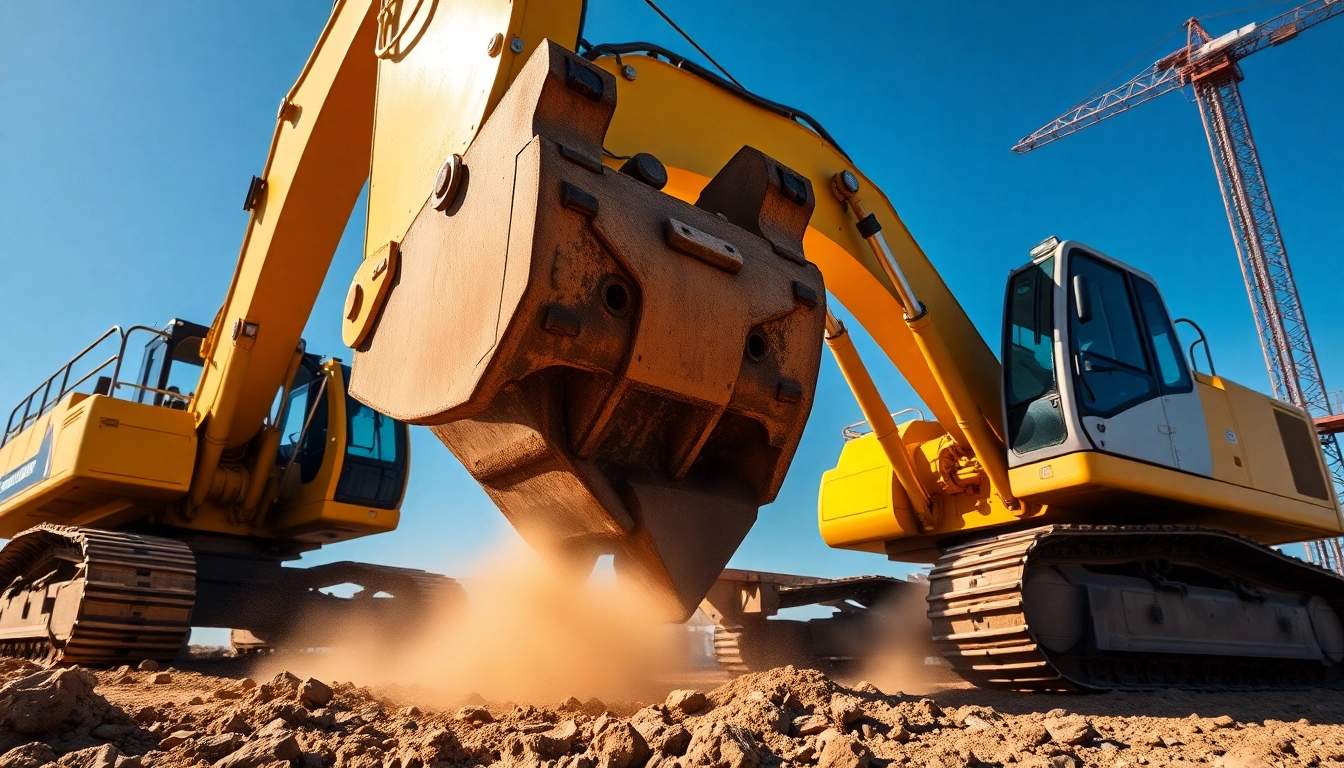
Introduction to Excavator
The excavator is a critical piece of heavy machinery that plays an integral role in various construction and demolition projects. These powerful machines are designed for a multitude of tasks, from digging trenches and lifting heavy materials to solving complex excavation challenges. Understanding the intricacies of excavators—from their features and types to their safe operation and maintenance—is essential for anyone involved in construction or heavy machinery rental. This comprehensive guide aims to provide an in-depth exploration of excavators, their importance in construction, and tips for operating and maintaining them effectively.
What is an Excavator?
At its core, an excavator is a versatile heavy machine primarily used for digging, lifting, and moving earth and materials. Characterized by a rotating platform, a boom, and a bucket, the excavator utilizes hydraulic power to achieve its functionality. This machine’s design allows for superior maneuverability and digging capability, making it indispensable on construction sites, mining operations, and for landscaping projects.
Key Features of Excavators
Excavators come equipped with several key features that enhance their performance and adaptability:
- Hydraulic System: This system powers multiple functions such as lifting and digging, allowing for precise control over the machine.
- Articulated Arm: The boom and arm configuration enables the excavator to reach a variety of angles, enhancing its ability to dig in tight spaces.
- Attachments: Excavators can be fitted with various attachments like buckets, hammers, and grapples, which increase their utility for different tasks.
- Operator Cabin: The cabin is designed for comfort, providing operators with visibility and ergonomic controls for safer operation.
Types of Excavators and Their Uses
Understanding the different types of excavators can aid in choosing the right machine for a specific job:
- Standard Excavators: Commonly used on construction sites for digging and material handling.
- Mini Excavators: Ideal for small jobs or urban areas with limited space due to their compact size.
- Long Reach Excavators: Designed for projects requiring extended reach, such as dredging or deep excavation.
- Wheeled Excavators: Offer mobility on paved surfaces, best suited for urban construction projects.
- Crawler Excavators: Built for rugged terrain and heavy lifting; they have a low center of gravity for stability.
The Importance of Excavator in Construction
Excavators serve as the backbone of many construction operations due to their efficiency and effectiveness. Their importance cannot be overstated, as they directly influence project timelines, costs, and safety.
Enhancing Project Efficiency
Excavators significantly reduce the time required to complete excavation tasks. Traditional methods of digging are labor-intensive and time-consuming, whereas an excavator can perform the same tasks exponentially faster. For instance, project teams can rely on excavators to excavate large trenches or foundations in a fraction of the time it would take manual laborers. Additionally, excavators minimize the risk of human error, leading to enhanced precision and quality in the work performed.
Safety Considerations When Using an Excavator
While excavators enhance efficiency, they also present risks that must be managed. Operator training is crucial to ensure safe operation. Adhering to safety protocols, such as maintaining a safe distance from the excavation site and regularly inspecting the machine, can help mitigate accidents. It is also essential to ensure that the load does not exceed the excavator's lifting capacity to prevent tipping or damage.
Comparing Excavator to Other Heavy Machinery
Excavators differ from other heavy machinery, like bulldozers or backhoes, in their specialization. While bulldozers are primarily used for pushing heavy materials or grading, excavators excel in digging and lifting. Their versatility allows them to be equipped with various attachments that can further enhance their functionality, making them more adaptable to varying site requirements than many other heavy machines.
How to Operate an Excavator Safely
Operating an excavator demands a significant level of skill and knowledge. Understanding how to control the machine effectively is vital for both the safety of the operator and those around them.
Basic Operating Procedures
The fundamental procedures for operating an excavator include:
- Pre-operation Inspection: Check a variety of systems – hydraulic, electrical, and structural – to ensure everything is functioning well.
- Familiarization with Controls: Before operating, become accustomed to the control layout and functions.
- Starting the Excavator: Follow proper startup procedures, including checking fluid levels and ensuring safety features are in place.
- Operation: Operate with slow and deliberate movements to maintain control and avoid sudden jerks.
Best Practices for Excavator Operation
To maximize efficiency and safety, operators should adhere to best practices:
- Use Proper Techniques: Always use the appropriate technique for digging and lifting to reduce strain on the equipment.
- Maintain Situational Awareness: Be aware of other workers and obstacles in the vicinity to avoid collisions and accidents.
- Stay within Load Limits: Ensure that the weight being lifted is within the machine’s rated capacity.
- Regular Breaks: Take breaks during long operation sessions to stay alert and focused.
Common Mistakes to Avoid
Even experienced operators can make mistakes that can be costly or dangerous. Here are common errors to avoid:
- Neglecting Pre-checks: Skipping the pre-operation check can lead to malfunction and accidents.
- Ignoring Load Limits: Overloading can tip the excavator and cause injury.
- Poor Communication: Lack of communication with ground workers can create hazardous situations.
Maintenance and Care of Excavator
Proper maintenance is imperative to ensure the longevity and reliability of an excavator. Routine care can prevent costly repairs and prolong the machine's operational life.
Daily Maintenance Checklist
Following a daily maintenance routine can help spot issues before they escalate:
- Check fluid levels (oil, coolant, and hydraulic fluids).
- Inspect the tracks and undercarriage for wear and tear.
- Ensure that all lights and signals are functioning.
- Inspect the bucket and other attachments for damage.
Troubleshooting Common Issues
Operators should be aware of common issues that may arise during operation and how to address them:
- Hydraulic Leaks: Check hoses and connections for leaks; replacing damaged hoses can resolve the issue.
- Engine Overheating: Ensure cooling systems are clean and that coolant levels are adequate.
- Poor Performance: Regularly check for clogs in the hydraulic filters and replace them if necessary.
Importance of Professional Inspections
While operators can manage daily maintenance, professional inspections are crucial at regular intervals. Qualified technicians can identify underlying issues that might not be visible to the untrained eye. These inspections often involve a thorough examination of the hydraulic system, structural components, and electrical systems, ensuring that the excavator operates optimally.
Future Trends in Excavator Technology
The excavator industry is continuously evolving, with advancements aimed at improving efficiency, safety, and environmental responsibility. Keeping abreast of these trends is essential for those in the construction and heavy machinery sectors.
Innovations in Excavator Design
Modern excavators are increasingly incorporating innovative designs that enhance their capabilities. Lightweight materials are being used to reduce machine weight without compromising strength, resulting in improved fuel efficiency. Additionally, improvements in hydraulic systems offer better control and responsiveness, elevating performance on complex job sites.
The Role of Automation in Excavators
Automation is set to revolutionize excavator operation. Technologies such as GPS and remote control systems allow for more precise excavation work, minimizing human error. These advancements also enable operators to manage multiple machines from a central location, further increasing efficiency and safety on construction sites.
Environmental Impact of Modern Excavators
As environmental consciousness rises, manufacturers are focusing on reducing the ecological footprint of excavators. New designs include cleaner emissions technologies and more efficient fuel systems. Electrification of excavators is a significant trend, moving towards electric and hybrid models that decrease reliance on diesel fuel and lower overall emissions.
FAQs
What is the primary function of an excavator?
The primary function of an excavator is to dig earth, lift heavy materials, and perform various construction tasks.
How much can an excavator lift?
An excavator's lifting capacity varies by model but can range from 1 to 100+ tons, depending on size and specifications.
What types of attachments are available for excavators?
Common attachments include buckets, grapples, hammers, and augers, enhancing an excavator's versatility for various tasks.
Can excavators operate on slopes?
Yes, but it's crucial to use proper techniques and ensure the excavator is stable to avoid accidents on sloped terrain.
How often should excavators be serviced?
Regular servicing is recommended every 250 hours of operation or every six months, whichever comes first, to ensure optimal performance.