Understanding Pool Table Types and Sizes
Different Types of Pool Tables
Before making a decision to Buy Pool Tables, it’s crucial to understand the various types available. Pool tables primarily fall into three categories: American pool tables, English pool tables, and snooker tables. Each type is designed for different styles of play, boasting unique attributes and dimensions.
American pool tables are typically larger, with options spanning from 7 to 9 feet. They feature wider pockets and are favored in competitive settings. English pool tables are smaller, generally measuring 6 to 7 feet, designed for more casual play in smaller spaces. Meanwhile, snooker tables are much larger, measuring 12 feet, and have narrower pockets tailored for strategic gameplay.
Choosing the Right Size for Your Space
When it comes to selecting the size of the table, space is a vital consideration. A standard measurement rule is to allow at least five feet of clearance around the table for comfortable movement and shot-making. Although you might be tempted to fit a larger table into a smaller room for aesthetics, the overall playing experience may be heavily compromised.
Consider your available space and figure in the dimensions of cue sticks. Often, homes accommodate either 7 or 8-foot tables without sacrificing playability or comfort. Always measure your room before making a final choice.
Factors Affecting Playing Experience
The enjoyment derived from playing on a pool table is influenced by various factors, including table size, type, and the quality of the materials used in construction. Slate-topped tables are favored for serious play because they provide a smooth, level surface. Meanwhile, other materials like MDF may be more affordable but can lead to uneven play.
In addition, cloth type and condition play a significant role in the ball's speed and trajectory. Take into account the variables that will affect not just the purchase but your ongoing playing experience.
Quality Features to Consider When You Buy Pool Tables
Material Choices for Pool Tables
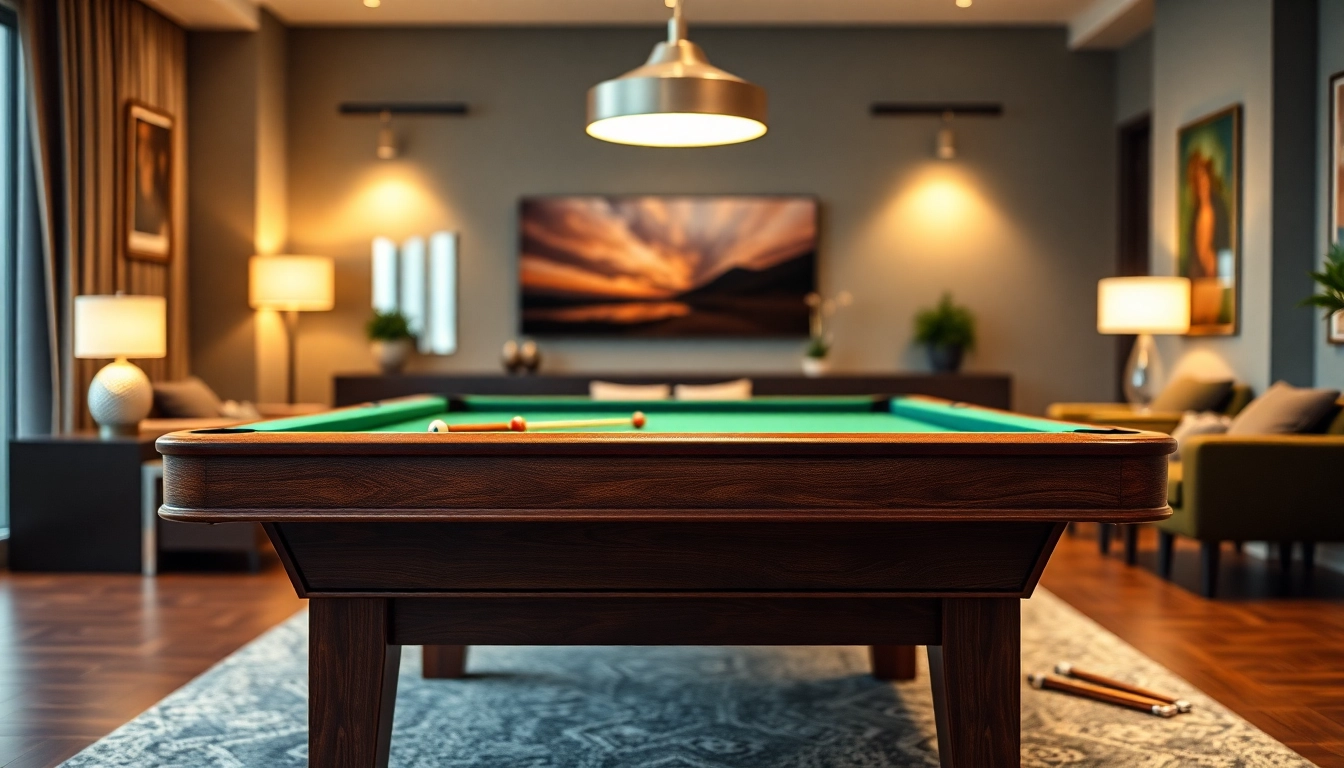
When selecting a pool table, the materials are paramount for longevity and performance. High-quality hardwood is a non-negotiable; it ensures durability and stability. Look for tables that use real wood veneers, as opposed to synthetic materials, which can warp over time.
The surface of the table is equally important. A slate playing surface is universally regarded as the gold standard, thanks to its rigidity and precision. However, cheaper alternatives often utilize particle board or MDF, which, while budget-friendly, lack the playability and longevity of their slate counterparts.
Construction and Craftsmanship
A well-crafted pool table can be a significant investment, so understanding the craftsmanship behind it helps ensure you get the best value. Tables constructed with solid wood frames and heavy-duty slate will typically offer improved stability and performance.
Check for quality seams, joinery, and the finishing coat applied. Cheaper models often cut corners in these areas, resulting in poor aesthetics and dust accumulation in the joints. Look for reputable craftsmanship to enhance both playability and durability.
Playability and Performance Features
Playability is defined by how the table performs under various conditions, influenced by its level of materials, construction, and even the design of the pockets. Consider features such as cushion rubber—high-quality rubber can drastically impact the bounce of the balls and affect player performance.
Additionally, factor in the style of the table's legs and frame; a sturdy base will enhance stability, irrespective of the type of games you intend to play. The table's design should meld functionality with aesthetics to suit your game room.
Where to Buy Pool Tables: Top Options Explored
Local Retailers vs. Online Stores
The buying process begins with selecting the right store. Local retailers can provide the advantage of seeing the pool table in person, allowing customers to assess quality and feel. Local experts may offer invaluable advice regarding setup and maintenance.
On the other hand, online stores often present broader selections, competitive pricing, and deliveries right to your doorstep. Many online retailers will have extended return policies, giving you peace of mind. Assess your preferences to decide which method aligns better with your buying style.
Purchasing from Wholesale vs. Specialty Shops
Wholesale retailers often promise bargains, especially if you're able to purchase in bulk. However, specialty shops cater specifically to billiard enthusiasts, frequently showcasing models that might not be available through wholesale vendors. Specialty shops can provide tailored advice based on your specific needs and environment.
If a premium play experience is your goal, it may be advantageous to prioritize specialty shops over wholesale options, despite the potential for higher costs.
Benefits of Buying Used Pool Tables
Purchasing used pool tables can result in substantial savings, especially when buying high-quality models. However, assessing the table's condition before buying is crucial. Look for signs of wear and tear, such as scuffed surfaces or uneven slate.
Another advantage is the opportunity to negotiate prices when buying used, allowing for potentially further discounts. Also, consider the possibility of refurbishing an older table to fit modern aesthetics, creating a personalized touch for your game room.
Assessing Costs and Budgeting for Your Purchase
Average Prices for Different Pool Tables
The price of pool tables varies widely, influenced by size, material, and brand. On average, expect to pay between $1,000 and $3,000 for a decent quality slate table. Economy tables can start around $500, while premium models can go well over $5,000, particularly those crafted from imported woods or custom designs.
Before making a decision, research various models and their retail prices to establish your budget.
Hidden Costs to Consider
When budgeting for a pool table, hidden costs can add up and should not be overlooked. Shipping and setup fees are often additional; delivering a heavy, slate table is not just about cost but logistics as well. Don’t forget to factor in accessories like cues, balls, and covers, which are essential for complete functionality.
If you're marketing your space to accommodate the table, consider costs for renovating your game room or purchasing new flooring. Always include a buffer in your budget for these unforeseen expenses.
Financing Options for Your Pool Table
Many retailers offer financing options that allow customers to spread the cost over several months or years. This can be especially beneficial when purchasing high-quality tables that exceed your immediate budget. Some retailers may even provide special promotions such as zero percent interest for a specified period.
Consider your personal financial situation and interest rates before opting for store financing, as this could influence your overall cost considerably.
Maintenance Tips for Your Pool Table
Regular Care and Cleaning Techniques
Maintaining your pool table is critical for ensuring its longevity and playability. Regularly brush the cloth to remove dust and chalk, and use a specialized cleaner to maintain the felt’s condition. Avoid using regular cleaning products, as they can damage the fabric.
Keep the playing surface free of debris by using a cover when the table is not in use—this minimizes wear and helps preserve the cloth and table’s finish.
Handling Repairs and Upkeep
Over time, tables may require repairs like re-clothing or restretching the felt. If you notice any bumps, dips, or tears, addressing these issues promptly will prevent further damage. Some owners may feel comfortable doing minor repairs themselves, while more complex issues should be handled by professionals.
Maintain all components—including pockets and cushions—on a regular basis to ensure the table remains in peak condition.
Extending the Lifespan of Your Table
Taking proper care of your pool table can significantly extend its lifespan. Regular maintenance is key. Beyond cleaning and minor repairs, schedule a complete professional service every few years to ensure everything is in order.
Additionally, consider your room’s environment; avoid placing pool tables in areas with fluctuating temperatures or high humidity, which can warp or damage the wood and playing surface over time.
FAQs
What size pool table is ideal for my room?
The right size depends on your space. Generally, 8ft tables are for serious players, while 7ft suits smaller areas.
What materials should I look for?
Look for high-quality hardwood for durability and slate for enhanced playability. These materials provide a solid foundation for a quality table.
Is it better to buy local or online?
It depends. Local stores allow you to inspect tables, while online options may offer better deals. Assess your needs to make the best choice.
How much should I budget for a pool table?
Bills can range from a few hundred to several thousand dollars based on quality, size, and brand. Research to find what fits your budget.
How often should I maintain my table?
Regular maintenance is key. Clean the cloth monthly and have the felt replaced every few years to keep it in top shape and prolong its life.