
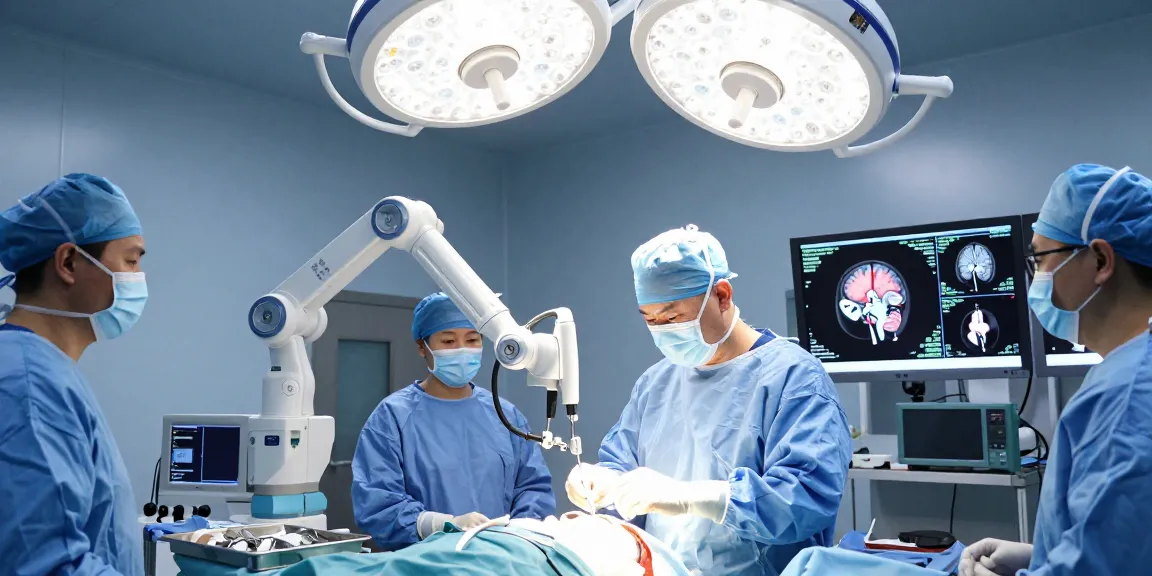
Understanding Beyin Ameliyatı
Beyin ameliyatı, the term for brain surgery in Turkish, encompasses a range of complex surgical procedures aimed at treating serious neurological conditions affecting the brain. With advancements in technology, these procedures have become more precise and safer, improving patient outcomes significantly. This article serves as a comprehensive guide for patients, caregivers, and healthcare professionals looking to understand the multifaceted aspects of brain surgery, including surgical types, preparation, recovery, and costs. When exploring options, Beyin ameliyatı provides comprehensive insights into necessary considerations for prospective surgical candidates.
What is Neurosurgery?
Neurosurgery is a specialized field of surgery focused on treating conditions related to the central and peripheral nervous system, including the brain, spinal cord, and nerves. This medical discipline not only addresses traumatic brain injuries and tumors but also deals with chronic conditions like epilepsy and neurovascular disorders such as aneurysms and arteriovenous malformations. Neurosurgeons are trained to perform intricate operations that require a deep understanding of both the anatomy and function of the nervous system, often employing state-of-the-art imaging and surgical techniques.
Common Conditions Treated with Beyin Ameliyatı
Beyin ameliyatı is used to address various serious conditions, including:
- Brain Tumors: Both benign and malignant tumors require surgical intervention based on their size, location, and type.
- Trauma: Injuries leading to hematomas and brain swelling necessitate immediate surgical action.
- Aneurysms: Surgical procedures may be employed to prevent aneurysms from rupturing or to treat them after rupture.
- Chronic Pain Conditions: Certain chronic pain syndromes, such as trigeminal neuralgia, can be treated surgically.
The Importance of Early Diagnosis
Early diagnosis significantly improves the chances of successful treatment and recovery following beyin ameliyatı. Regular neurological assessments and imaging studies are crucial for identifying potential issues before they escalate. Patients experiencing symptoms such as chronic headaches, sudden changes in vision, or unexplained seizures should seek medical advice promptly. Furthermore, advancements in screening and diagnostic technologies, including MRI and CT scans, allow for earlier detection and treatment of neurological conditions.
Types of Beyin Ameliyatı
Craniotomy for Tumor Removal
One of the most common procedures in beyin ameliyatı is the craniotomy, which involves removing a portion of the skull to access the brain. This surgical intervention is necessary for removing brain tumors, which can either be benign (non-cancerous) or malignant (cancerous). The goal is to excise as much tumor tissue as possible while preserving surrounding healthy brain tissue. Surgical planning typically involves detailed imaging studies to help delineate tumor margins and assess the areas of the brain that need to be avoided during surgery.
Awake Craniotomy: Enhancing Surgical Outcomes
The awake craniotomy technique has gained popularity due to its unique ability to enhance surgical outcomes while minimizing the risk of neurological damage. During this procedure, the patient is kept awake and alert, allowing the neurosurgeon to monitor critical brain functions such as speech and movement in real time. This technique is particularly useful when tumors are located near areas responsible for essential functions. While the thought of being awake during brain surgery can be daunting, this method ultimately ensures more precise tumor resection and better preservation of functionality.
Minimally Invasive Techniques in Neurosurgery
Technological advances have led to the development of minimally invasive techniques in neurosurgery, including endoscopic approaches and robotic-assisted surgeries. These methods allow for smaller incisions, reduced recovery times, and minimized complications. For example, endoscopic techniques are often employed for treating pituitary tumors, allowing access through the nasal cavity without the need for large incisions. Patients benefit from shorter hospital stays and a quicker return to daily activities due to the reduced trauma associated with these surgical methods.
Preparing for Surgery
Pre-operative Assessments and Tests
Before undergoing beyin ameliyatı, patients typically go through a series of pre-operative assessments to ensure they are fit for surgery. These may include neurological evaluations, blood tests, imaging studies (such as MRI or CT scans), and discussions regarding anesthesia options. Understanding these preparations is crucial for patients as they can directly influence surgical outcomes. Patients are encouraged to communicate openly with their healthcare team about any medications, allergies, or pre-existing conditions that could affect their surgery.
Understanding Surgical Risks and Complications
Like all surgeries, beyin ameliyatı carries inherent risks and potential complications. Common risks include:
- Infection: Site infections or other systemic infections can occur post-operatively, warranting vigilant monitoring.
- Bleeding: Hemorrhaging during or after surgery may require additional intervention.
- Neurological Damage: Damage to healthy brain tissue can lead to complications including speech or motor deficits.
Patients should have thorough discussions about these risks with their surgical team to ensure they understand the potential challenges they may face during recovery.
Logistics and What to Expect on Surgery Day
On the day of surgery, logistics play a key role in ensuring a smooth process. Patients should arrive at the hospital as instructed, typically several hours before the procedure. They will likely receive intravenous (IV) fluids for hydration and may be prepped with medications to reduce anxiety. Family members should be prepared for a wait during the surgery, which can last several hours depending on the complexity of the procedure. Post-surgery, patients will be moved to a recovery room for monitoring to ensure stability before transferring to a hospital room.
Recovery After Beyin Ameliyatı
Postoperative Care and Monitoring
After undergoing beyin ameliyatı, patients require careful monitoring in the hospital for potential complications. This initial recovery period is critical for assessing neurological functions and ensuring that the brain is healing properly. Medical staff will monitor vital signs, neurological status, and overall well-being. Pain management will be a priority, and patients may receive medications to alleviate discomfort.
Rehabilitation and Support Systems
Rehabilitation plays a vital role in recovery following beyin ameliyatı. Depending on the type of surgery and the patient's pre-existing conditions, rehabilitation may include physical therapy, occupational therapy, and cognitive therapy. Tailored support systems, including family involvement, can significantly boost a patient’s recovery trajectory. Educational resources and counseling may also be beneficial during this phase of recovery.
Long-term Recovery Expectations and Follow-up
Long-term recovery following beyin ameliyatı can vary greatly from one patient to another, often depending on the type of surgery performed and individual health factors. While many patients may start to feel better within weeks, full recovery can take months. Regular follow-up appointments with a neurosurgeon are essential for monitoring progress and addressing any ongoing issues such as cognitive changes or functional impairments.
Future Trends in Beyin Ameliyatı
Innovations in Neurosurgical Procedures
The field of neurosurgery is continuously evolving, with innovations such as intraoperative imaging technologies and advanced robotic systems transforming surgical procedures. These advancements allow for better precision and control during surgeries, which can lead to improved patient outcomes and faster recoveries. Additionally, innovations such as laser surgery and enhanced neuroimaging techniques are paving the way for safer and more effective surgical interventions.
Personalized Medicine in Brain Surgery
Personalized medicine is becoming increasingly influential in beyin ameliyatı, utilizing genetic and molecular profiling to tailor treatments to individual patient needs. By understanding the unique characteristics of a patient’s tumor or condition, neurosurgeons can select the most effective surgical approach and post-operative care strategies. This approach not only enhances the efficacy of treatments but also minimizes potential side effects and complications.
Looking Ahead: The Future of Neurosurgery in 2026
Looking towards 2026, the future of neurosurgery promises remarkable advancements. The integration of artificial intelligence (AI) in surgical planning and robotic assistance is anticipated to enhance surgical accuracy and outcomes. Additionally, ongoing research into neuromodulation techniques may lead to innovative therapy options for various neurological conditions. As technology advances, the potential for even minimally invasive techniques will likely expand, offering patients safer surgeries and quicker recovery times.
What are the key risks associated with beyin ameliyatı?
The key risks associated with beyin ameliyatı include infection, bleeding, and the potential for neurological damage, which can manifest as cognitive or motor deficits. Patients must discuss these risks in detail with their healthcare provider to understand their specific vulnerabilities based on their individual medical history and the nature of the surgery.
How long does recovery take after beyin ameliyatı?
Recovery after beyin ameliyatı can vary significantly. While some patients may start feeling better within a few weeks, complete recovery can take several months up to a year, depending on the complexity of the surgery and the patient's overall health condition.
What advancements are expected in beyin ameliyatı by 2026?
By 2026, advancements in neurosurgery are expected to include further integration of AI and robotics in surgical procedures, enhanced imaging techniques for better surgical planning, and personalized medicine approaches that tailor treatments to individual genetic profiles.
What is the cost of beyin ameliyatı in different facilities?
The cost of beyin ameliyatı varies widely depending on factors such as the type of surgery, the facility, and geographical location. It is essential for patients to consult pre-operative financial assessments and insurance coverage to understand any potential out-of-pocket expenses.
How can family support influence recovery after surgery?
Family support plays a crucial role in recovery after surgery. For more information, Beyin ameliyatı offers valuable insights. An encouraging home environment, assistance with rehabilitation exercises, and emotional support can significantly impact a patient's progress. Involving family members in the rehabilitation process promotes adherence to care plans and enhances the overall recovery experience.