
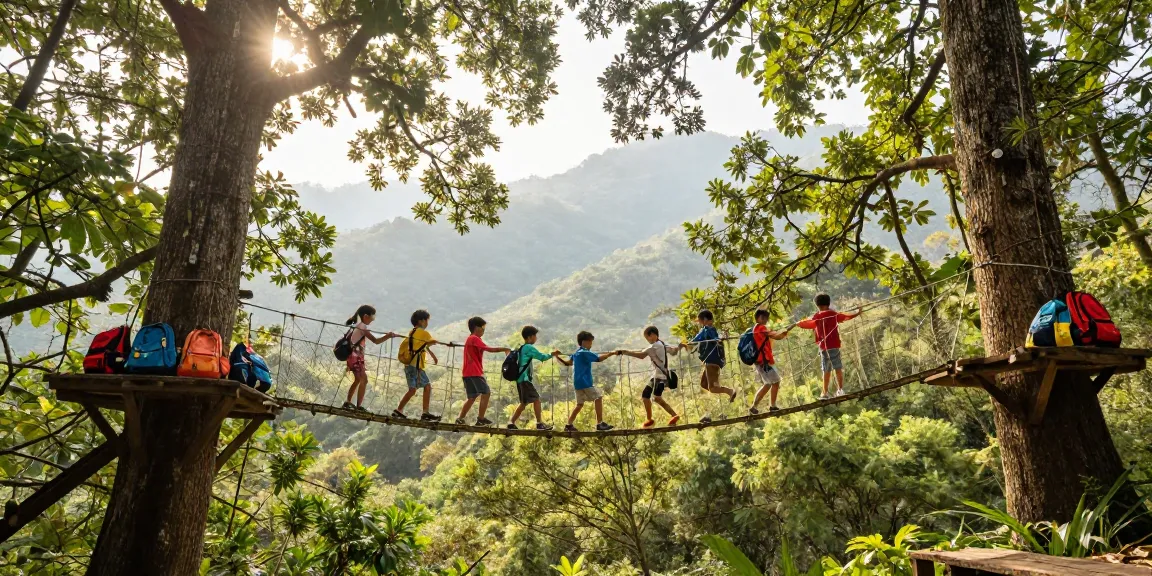
Understanding Rope Bridge Design
Rope bridges are not just practical solutions for crossing gaps; they embody a unique blend of engineering, art, and nature. From ancient cultures to modern outdoor adventures, the design of a rope bridge has evolved significantly, catering to various needs and aesthetic preferences. The essence of a rope bridge lies in its ability to connect two points in harmony with the environment, providing both functionality and an exhilarating experience for users. When exploring options, Rope Bridge design can provide comprehensive insights into creating something truly remarkable.
What Is a Rope Bridge?
A rope bridge is a suspended bridge that uses ropes as its primary support system, often constructed to span gaps like rivers, ravines, or even between trees. The construction typically involves a series of ropes or cables secured at both ends, allowing for movement across the gap with minimal obstruction to the natural landscape. Rope bridges can vary significantly in complexity, from simple pedestrian structures to intricate designs that accommodate heavier loads.
Historical Significance and Evolution of Rope Bridges
The origins of rope bridges date back thousands of years, with early examples found in various cultures around the world. The Inca civilization in South America, for instance, built sophisticated suspension bridges using natural fibres, showcasing advanced engineering techniques that have influenced modern designs. Over time, the materials used in rope bridge construction have evolved, with modern variations employing synthetic fibers and cables for enhanced durability and safety.
Types of Rope Bridges and Their Uses
There are several types of rope bridges, each serving different purposes:
- Suspended Rope Bridges: Ideal for spanning wide gaps, these bridges are supported by cables strung between two anchor points. They allow for considerable flex and movement, making them suitable for crossing rivers and deep ravines.
- Fixed-Beam Rope Bridges: These bridges use rigid beams along with ropes to provide stability, making them a good choice for pedestrian use where minimal sway is desired.
- Log Rope Bridges: Often used in recreational settings, these bridges incorporate logs or planks as walking surfaces, providing additional safety and support for users.
Planning Your Rope Bridge Design
When embarking on a rope bridge project, careful planning is critical to ensure both safety and functionality. The design process requires an understanding of various elements, from location specifics to load requirements.
Key Considerations for Rope Bridge Planning
Before launching into the construction phase, it is essential to consider several factors:
- Location: Assess the environment where the bridge will be built. Is the area prone to high winds, rainfall, or seasonal flooding? Understanding these elements can influence the choice of materials and design.
- Load Capacity: Determine the maximum weight the bridge will need to support, including pedestrians, bicycles, or even light vehicles.
- Material Selection: Choose appropriate materials that can withstand the elements and provide sufficient strength while weighing the overall structure down.
Common Challenges in Designing a Rope Bridge
Designing a rope bridge comes with its challenges:
- Stability: Ensuring that the bridge can withstand lateral forces while maintaining structural integrity is crucial.
- Safety Standards: Compliance with local regulations and safety standards is essential to avoid accidents and liability issues.
- Weather Resistance: Choosing weather-resistant materials can be challenging, especially in areas with extreme conditions.
Essential Tools and Materials for Building
To successfully build a rope bridge, you will need various tools and materials:
- Tools: Drill, saw, measuring tape, level, and safety gear.
- Materials: Heavy-duty ropes or cables, wooden beams for the bridge deck, anchoring materials, and safety harnesses for workers.
Step-by-Step Guide to Building a Rope Bridge
Once the planning phase is complete, it’s time to move on to actual construction. This section outlines the fundamental steps to building a rope bridge, ensuring each phase is executed meticulously for safety and durability.
Foundation and Support Structure Design
The foundation is critical for a rope bridge's overall stability. Start by selecting robust anchor points capable of supporting the weight of the bridge and its users:
- Identify the two points between which the bridge will be constructed, ensuring they are solid and stable.
- Install sturdy posts or anchor points at both ends. These should be embedded securely into the ground.
- Connect the primary cables to the anchor points, ensuring they are taut and properly aligned.
Stringing the Cables: Techniques and Tips
Installing the cables is a pivotal stage in building a rope bridge. Follow these techniques:
- Use a pulley system if available to help elevate and secure the cables more easily.
- Ensure that the cables are strung evenly to avoid undue stress on any single point.
- Check for tension and adjust where necessary before proceeding to the deck installation.
Finishing Touches: Safety and Aesthetic Enhancements
Once the main structure is complete, focus on aesthetics and safety:
- Add railings or side ropes to reduce the risk of falling.
- Finish the wooden deck with anti-slip coatings for better traction.
- Consider landscaping around the bridge to enhance its natural look.
Real-Life Applications of Rope Bridges
Rope bridges have found numerous applications across various sectors, each serving distinct community and environmental needs.
Case Studies of Successful Rope Bridge Projects
Examples of successful rope bridge projects can be found throughout the world. One notable case is the Kapuas River Crossing in Indonesia, which uses traditional techniques alongside modern materials to create a safe crossing for local communities. Another example is the construction of various rope bridges in adventure parks, offering thrilling experiences while ensuring safety.
Community Engagement Through Rope Bridge Design
Involving local communities in the design and construction of rope bridges can foster a sense of ownership and pride. This engagement often leads to the preservation of traditional building techniques and a stronger connection to the environment.
Environmental Considerations and Best Practices
When designing rope bridges, it is vital to include environmental considerations:
- Utilise sustainable materials whenever possible to minimise ecological impact.
- Design bridges to blend into the landscape, preserving the natural ecosystem.
- Conduct environmental impact assessments before commencing construction.
The Future of Rope Bridge Design
As we move towards 2026 and beyond, the design and construction of rope bridges are set to evolve dramatically, driven by innovation and sustainability.
Innovative Materials and Construction Techniques for 2026
New materials such as carbon-fiber ropes and biodegradable composites are emerging, promising enhanced strength while reducing environmental impact. These innovations could revolutionise how rope bridges are constructed, providing lighter, yet more resilient structures.
Trends in Rope Bridge Aesthetics and Functionality
As aesthetics become increasingly important in construction, designs are anticipated to incorporate more organic shapes and visuals, merging seamlessly with the landscape. Functionality will also expand, with bridges designed to accommodate both pedestrian and light vehicular traffic.
Expert Predictions for the Evolution of Rope Bridges
Experts predict that advancements in technology will lead to the integration of smart materials in rope bridges, enhancing safety through real-time monitoring of structural integrity and wear. This evolution will ensure that rope bridges not only serve their physical purpose but also adapt intelligently to the demands of their environment.
Frequently Asked Questions
How do I build a rope bridge?
Building a rope bridge involves planning, selecting appropriate materials, and following safety protocols. Detailed steps include designing the foundation, installing the cables, and ensuring safety features are in place.
What are the different types of rope bridges?
The primary types include suspended rope bridges, fixed-beam rope bridges, and log rope bridges, each serving unique purposes and environments.
How much does a rope bridge cost?
The cost can vary widely based on materials, size, and complexity. A small, simple rope bridge might cost a few hundred pounds, while more extensive structures could run into the thousands.
What is the simplest bridge design?
The simplest bridge design is typically a log or beam bridge, which uses minimal materials and straightforward engineering principles.
Where can I find rope bridge design kits?
Rope bridge design kits can often be found at specialized outdoor equipment retailers or through crafting suppliers focusing on outdoor projects.