
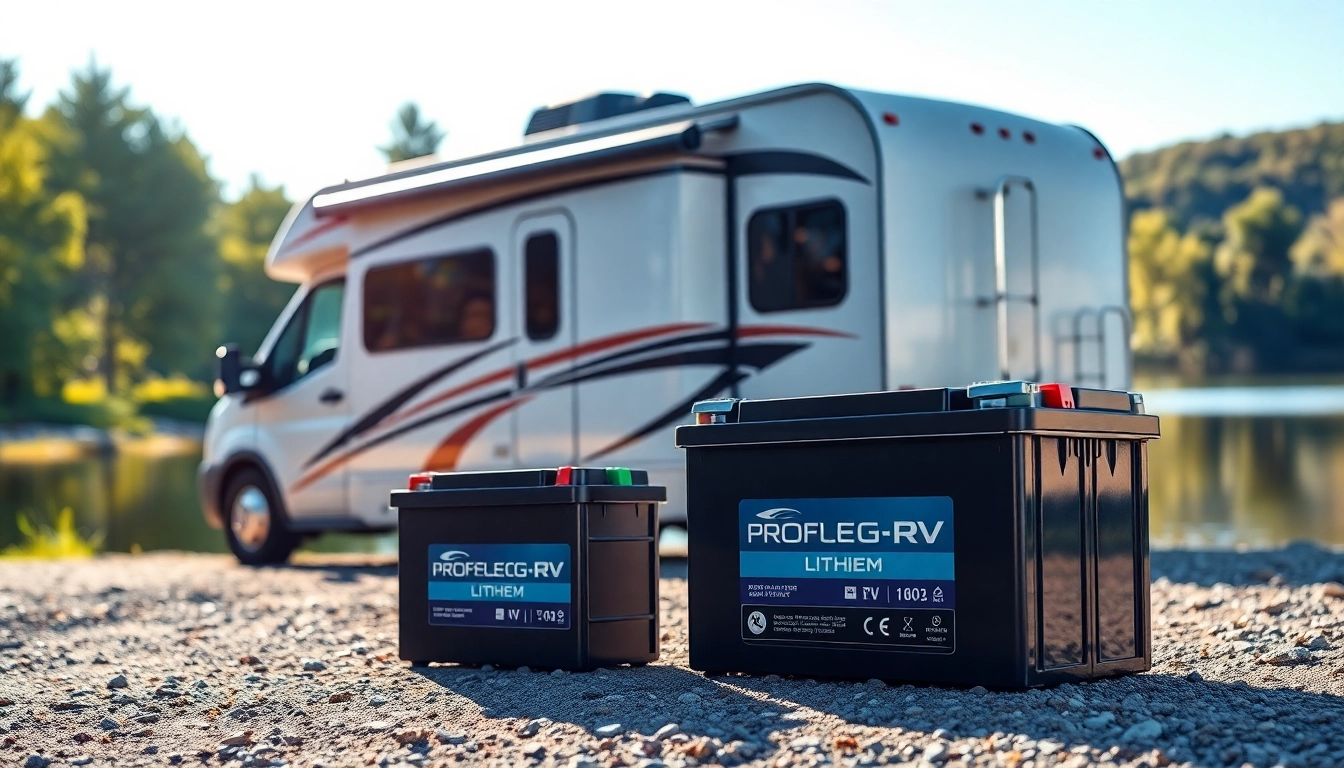
Understanding Lithium RV Batteries
Lithium RV batteries are rapidly becoming the preferred power source for recreational vehicles, delivering high performance, durability, and efficiency. Unlike traditional lead-acid batteries, these advanced batteries use lithium-ion technology, resulting in longer lifespans, lighter weights, and greater efficiency. For RV enthusiasts looking to maximize their adventures, making the switch to lithium RV batteries can significantly enhance the RV experience.
Why Choose Lithium RV Batteries?
Choosing lithium RV batteries over conventional lead-acid options is largely about performance and convenience. With advances in technology, lithium batteries are now recognized for their ability to maintain high performance across varying conditions. Additionally, their fast-charging capabilities make them an attractive option for RV owners who prioritize quick turnarounds in off-grid situations.
Differences Between Lithium and Lead-Acid Batteries
- Lifespan: Lithium RV batteries can last between 10 to 15 years while lead-acid typically lasts around 3 to 5 years.
- Weight: Lithium batteries are significantly lighter than their lead-acid counterparts, which can improve RV fuel efficiency and handling.
- Efficiency: Lithium batteries can be discharged to a greater extent (up to 80-90%) than lead-acid batteries (50%) without damage.
- Charging Time: Lithium batteries charge faster, allowing users to replenish power sources quickly during trips.
- Safety: Lithium batteries contain built-in protection systems, reducing risks associated with overheating or venting gases.
Key Features of Lithium RV Batteries
Here are some essential features to consider when evaluating lithium RV batteries:
- Battery Management System (BMS): This feature ensures safe operation, monitors battery health, and provides protection against overcharging and discharging.
- High Discharge Rates: Many lithium models allow for high currents, making them suitable for appliances that require substantial power at startup.
- Modularity: Some lithium batteries can be installed in parallel or in series, providing flexibility for custom setups.
- Integrated Heating Elements: Some lithium batteries come equipped with heating elements for improved performance in cold temperatures.
Benefits of Using Lithium RV Batteries
Choosing to install lithium RV batteries comes with a multitude of benefits that can enhance the overall RV experience, especially for those who enjoy long trips and off-grid camping.
Longer Lifespan and Durability
The longevity and durability of lithium RV batteries outshine traditional batteries. With a lifespan ranging from 10 to 15 years, lithium batteries can withstand numerous charge cycles without significant capacity loss, transforming them into a cost-effective investment over time. By reducing replacements, RV owners can avoid the hassle and expense of frequent battery changes.
Weight and Space Efficiency
One of the most appealing aspects of lithium RV batteries is their weight. They are roughly 50% lighter than lead-acid batteries with the same capacity. This weight reduction translates to better fuel efficiency and improved vehicle handling. Additionally, their compact design often allows for easier installation, giving RV owners more flexibility in space optimization.
Performance in Various Conditions
Lithium batteries perform exceptionally well in a variety of weather conditions, allowing charging in low temperatures and maintaining efficiency in hot environments. Without the same limitations as lead-acid batteries, lithium batteries provide a reliable power source for extended trips, minimizing the risk of power shortages.
How to Select the Right Lithium RV Batteries
Choosing the right lithium RV batteries involves understanding your power needs, evaluating battery specifications, and ensuring compatibility with your RV's system.
Assessing Your Power Needs
The first step in selecting a lithium battery is to assess your power requirements. Calculate the total wattages of all appliances you typically use in your RV and estimate how long you will use them daily. This assessment will help determine the capacity you need from your lithium RV batteries.
Capacity Ratings Explained
Capacity ratings are critical when determining the right battery. Measured in amp hours (Ah), the higher the Ah rating, the longer the battery will last under a given load. Typical RV applications might range from 100Ah for smaller setups to over 400Ah for larger, more power-hungry configurations. It is advisable to factor in a buffer to ensure you have enough power for unforeseen circumstances.
Compatibility with Your RV
Ensure that the lithium RV batteries you select are compatible with your RV's electrical system. Factors such as voltage (commonly 12V or 24V), wiring configurations, and charging systems must be aligned for optimal performance. Consider consulting with a professional to ensure a seamless integration.
Installation and Maintenance Tips for Lithium RV Batteries
The installation and maintenance of lithium RV batteries are straightforward, but following guidelines is key to ensuring longevity and performance.
Installation Guidelines
When installing lithium RV batteries, it is essential to follow the manufacturer's instructions meticulously. Ensure proper connections and use appropriate gauges of wiring. Utilize a battery management system to enhance safety during charging and discharging and prevent overload or damage.
Routine Maintenance Practices
Though lithium batteries require less maintenance than lead-acid batteries, some practices can enhance their lifespan. Regularly check connections for corrosion, ensure terminals are clean and free from dirt, and periodically monitor the battery management system for alerts on temperature or voltage anomalies.
Troubleshooting Common Issues
In the event of performance issues, troubleshooting can save a lot of time and frustration. If your RV’s lights dim or appliances underperform, examine battery connections and ensure they are secure. If battery performance decreases unexpectedly, check for signs of damage, overheating, or electrolyte levels (though lithium batteries do not have this concern).
FAQs About Lithium RV Batteries
Are lithium batteries worth it for an RV?
Yes, they offer better performance, longevity, and weight savings compared to lead-acid batteries, especially for frequent travelers.
How long do lithium RV batteries last?
On average, they can last 10-15 years with proper care, significantly outpacing lead-acid batteries.
Can I replace lead-acid batteries with lithium RV batteries?
Yes, but ensure your RV is compatible, and consider consulting an expert for the switch.
How do lithium RV batteries perform in cold weather?
They typically perform well in cold, but it's recommended to store them warm to avoid reduced capacity.
What maintenance do lithium RV batteries require?
Minimal; ensure proper connections and check periodically for any signs of damage or corrosion.