
Understanding the Evolution of the Modern Workplace
The modern workplace has undergone significant transformations over the past few decades, driven by technological advancements and changing employee expectations. With the rise of remote work and digital collaboration tools, traditional office environments are being reimagined. In this context, coworking spaces have emerged as a viable solution for many professionals seeking flexibility and community. When exploring options, https://www.www456bd.com/ provides comprehensive insights into these evolving work environments that prioritize collaboration and innovation.
Historical Context: The Shift to Collaborative Spaces
Historically, workplaces were defined by rigid hierarchies and defined spaces, designed primarily for individual productivity. However, as organizations began to recognize the value of teamwork and collaboration, the architectural layout of offices shifted. The late 20th century saw the introduction of open-plan offices, which aimed to enhance communication and teamwork among employees.
In the early 2000s, coworking spaces began to emerge as a response to the needs of freelancers and startups. These spaces not only offered a desk but also promoted a sense of community and shared purpose. This evolution continues to shape how we think about work, pushing boundaries beyond conventional office setups.
Key Features of Contemporary Coworking Environments
Modern coworking spaces incorporate features that cater to diverse professional needs. Key elements include:
- Flexible Membership Plans: Various pricing tiers accommodate different budget levels and usage frequencies.
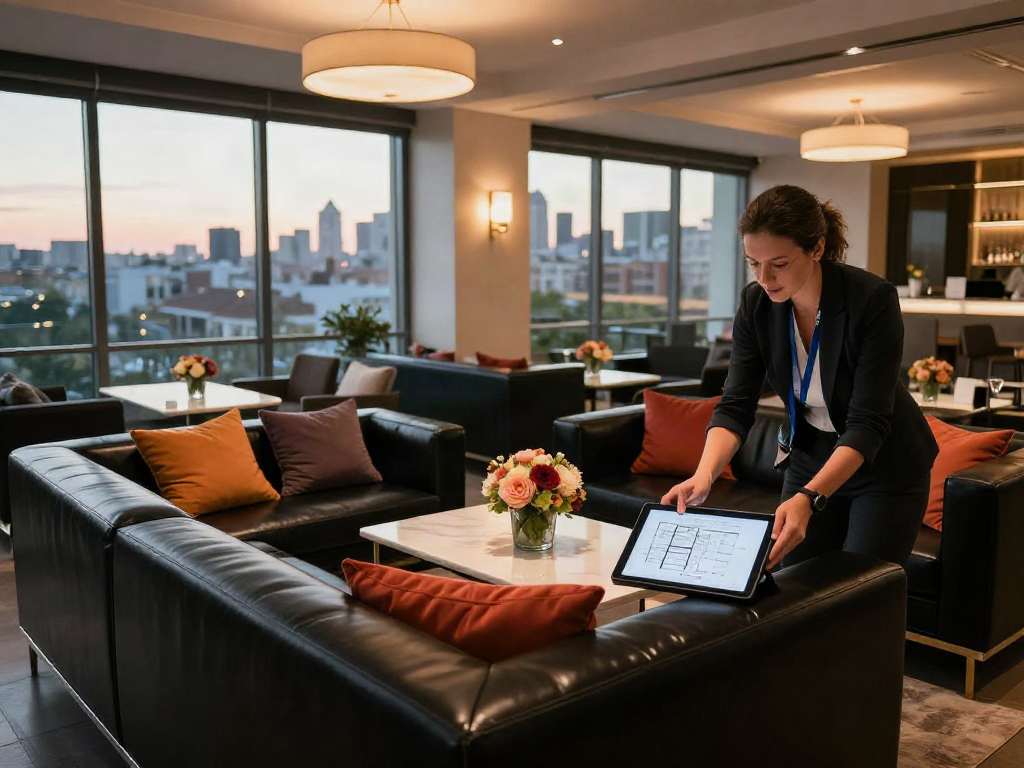
- Collaborative Areas: Spaces designed for teamwork, such as breakout rooms and lounges, encourage interaction among users.
- Access to Technology: High-speed Wi-Fi, printing services, and video conferencing tools are essential for today's digital workforce.
- Community Events: Regular networking, skill-sharing sessions, and community gatherings help foster connections among members.
Benefits of Team Collaboration in the Modern Age
The benefits of promoting teamwork in contemporary work settings are numerous:
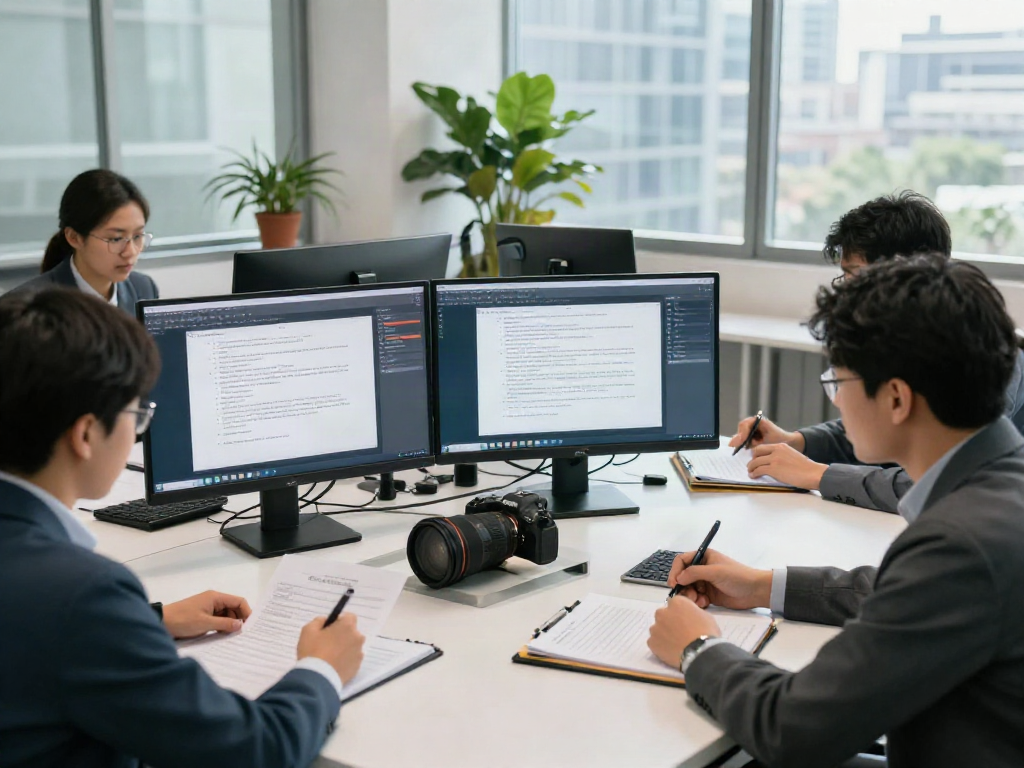
- Increased Innovation: Collaborative environments often lead to new ideas and creative solutions, as diverse perspectives are integrated.
- Enhanced Job Satisfaction: Employees who engage in teamwork report higher levels of job satisfaction and a greater sense of belonging.
- Skill Development: Working alongside others allows individuals to learn new skills and share their knowledge, fostering professional growth.
Identifying User Needs and Pain Points
To effectively enhance workplace collaboration, it is crucial to understand the specific needs and challenges faced by today’s professionals. Identifying user pain points helps create workspaces that are not only functional but also supportive of employee well-being and productivity.
Common Challenges in Traditional Office Settings
Many professionals face significant challenges within traditional office environments, including:
- Lack of Flexibility: Rigid office hours and layouts can hinder productivity and creativity, often leading to frustration among employees.
- Isolation: Traditional offices may create barriers to collaboration, with employees stuck in silos rather than engaging with one another.
- Distractions: Inconsistent noise levels and interruptions can disrupt workflow and concentration.
User Intent: What Do Professionals Need Today?
As the workforce evolves, so do the requirements of modern professionals. Key needs include:
- Flexibility: The ability to choose work hours and environments is increasingly valued.
- Collaboration Tools: Access to digital technologies that facilitate remote and in-person teamwork is essential.
- Health and Wellness Considerations: Spaces that promote physical and mental well-being are becoming a priority.
Addressing Misconceptions About Coworking Spaces
Despite their growing popularity, many misconceptions persist about coworking spaces. Some professionals believe these environments are only suitable for freelancers or tech startups. In reality, businesses of all sizes can benefit from the flexibility, community aspects, and resources offered by coworking arrangements. By understanding the diverse demographics these spaces attract, organizations can align their needs with coworking solutions effectively.
Essential Strategies for Effective Collaboration
Fostering an environment conducive to collaboration requires intentional strategies that encourage teamwork and creativity. Here are some essential approaches for creating collaborative workplaces.
Best Practices for Successful Team Brainstorms
Team brainstorming sessions can be highly productive if structured well. Some best practices include:
- Create a Safe Space: Establish an environment where all ideas are welcomed and valued.
- Diverse Groups: Assemble teams with varied skills and backgrounds to enhance creativity.
- Focus on Quantity Over Quality: In initial stages, encourage a high volume of ideas without immediate critique.
Actionable Techniques to Foster Workplace Creativity
Employing specific techniques can stimulate creativity within teams:
- Mind Mapping: This visual tool allows teams to explore connections between ideas and concepts.
- Structured Play: Incorporating play and games can break down barriers and foster innovation.
- Regular Feedback Loops: Encouraging continuous feedback can refine ideas and enhance collaborative efforts.
Real-World Examples of Innovative Workspaces
Many companies are leading the way in creating innovative workplace environments. For instance:
- WeWork: Known for its modern, stylish interiors and community-focused amenities, WeWork promotes networking among diverse industries.
- Google: With open layouts, recreational spaces, and integrated nature, Google’s offices are designed to inspire creativity and collaboration.
- Spaces: This coworking brand emphasizes vibrant designs and community-oriented workspaces, perfect for freelancers and small businesses.
Implementing Change: Transitioning to a Collaborative Space
Transitioning to a collaborative workspace requires careful planning and execution to ensure that the change is effective and beneficial for employees. This process encompasses several key stages.
Step-by-Step Guide to Redesigning Your Office
Follow these steps to effectively redesign your workspace:
- Assess Current Needs: Gather input from employees on what features they find invaluable.
- Design with Flexibility in Mind: Create spaces that can be modified for different uses, accommodating various team sizes and functions.
- Incorporate Technology: Implement tools that facilitate both in-person and remote collaboration.
- Test and Iterate: Pilot new layouts or systems, gather feedback, and make necessary adjustments.
Creating an Engaging Environment for Employees
Employee engagement is crucial for productivity and satisfaction. Here are some tactics to enhance workplace engagement:
- Inclusive Design: Ensure that spaces cater to a variety of working styles and preferences.
- Green Spaces: Incorporate plants and natural light to enhance well-being and reduce stress.
- Social Areas: Create informal spaces where employees can relax and interact with colleagues.
Measuring Success: Key Performance Indicators
Measuring the success of a collaborative workspace can be achieved through various key performance indicators (KPIs):
- Employee Satisfaction Surveys: Regular feedback can gauge the effectiveness of new layouts and initiatives.
- Productivity Metrics: Tracking project completion rates, engagement levels, and collaboration frequency can provide insights into performance.
- Retention Rates: High turnover rates may indicate dissatisfaction with work environments, suggesting the need for further improvements.
The Future of Work: Trends to Watch in 2026 and Beyond
As we look ahead, several trends are poised to influence the future of work and collaborative spaces, with technology and employee preferences steering the way forward.
Emerging Developments in Workspace Design
Future workspace designs are likely to focus heavily on flexibility, incorporating technology seamlessly into the environment. Expect to see:
- Adaptive Spaces: Offices that can shift between uses, supporting both individual work and collaboration.
- Smart Technology: Integrated systems that monitor employee usage patterns and optimize space accordingly.
- Sustainable Practices: Increasing emphasis on eco-friendly designs and materials.
Predictions for Remote and Hybrid Work Landscapes
The increase in remote and hybrid work arrangements will alter how offices are utilized. Key predictions include:
- Less Emphasis on Office Size: Companies may downsize physical spaces as more employees work remotely.
- Technology-Centric Work Environments: The demand for robust digital tools will grow, ensuring seamless collaboration regardless of location.
- Focus on Employee Wellness: Workspaces will evolve to prioritize mental and physical health, with designs that promote well-being.
Expert Insights on Navigating Future Challenges
As organizations navigate the complexities of modern work environments, experts suggest focusing on:
- Ongoing Training: Ensuring employees are equipped with the skills necessary for a dynamic work landscape.
- Feedback Mechanisms: Establishing processes for continuous improvement based on employee needs and market trends.
- Community Engagement: Building brands that resonate with values of collaboration and inclusivity can enhance loyalty.
What Makes a Coworking Space Stand Out?
In the burgeoning market of coworking, certain features distinguish successful spaces:. Additionally, 456bd com provides further details.
- Community and Networking Opportunities: Spaces that promote interaction among members create a strong sense of community.
- Unique Branding: A distinct aesthetic and brand identity can attract specific demographics or industries.
- Location: Accessibility and proximity to key services can significantly influence the appeal of a coworking environment.