
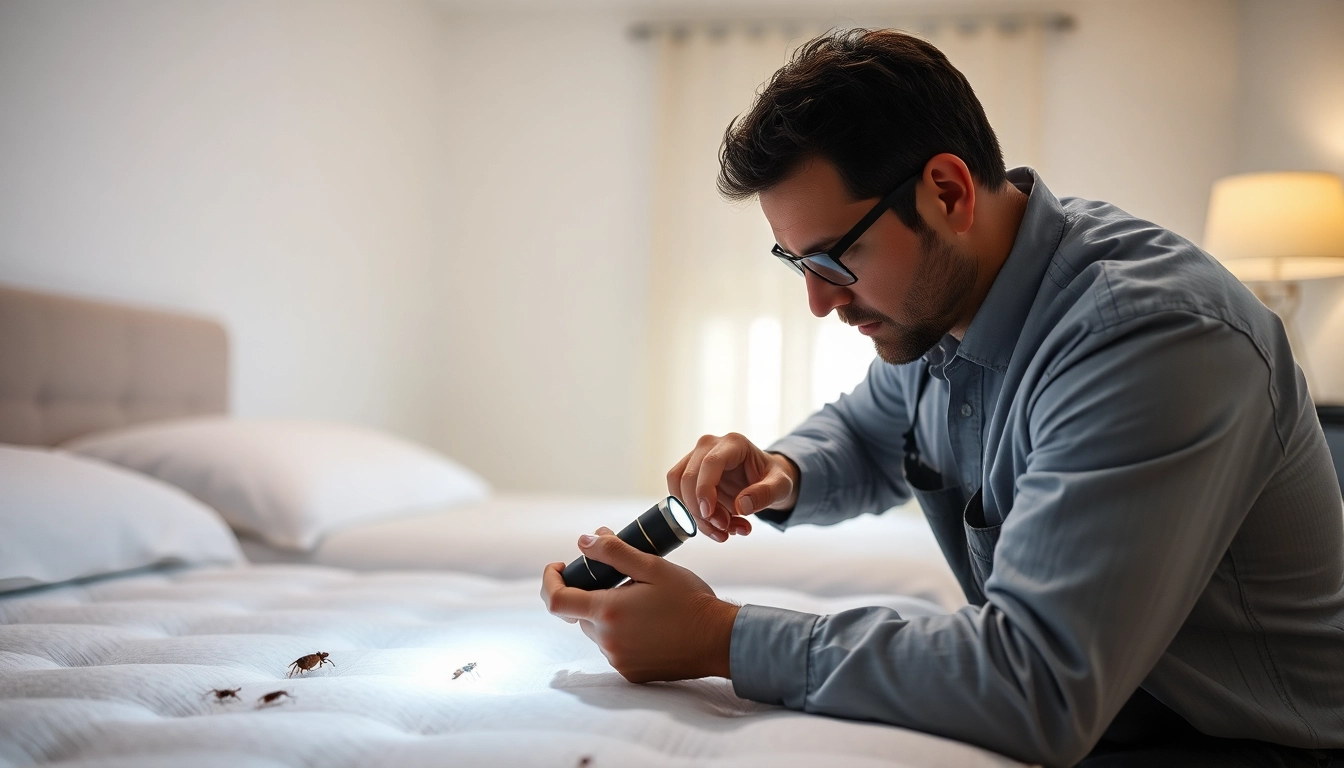
Understanding Bed Bugs and Their Habits
Bed bugs have become a notorious problem in homes and businesses across the globe. These small, elusive insects can cause sleepless nights and significant distress. By understanding their behavior and lifecycle, you can better protect your environment. Whether you’re already facing an infestation or want to take preventative measures, bed bug removal is essential knowledge for every household and establishment.
The Life Cycle of Bed Bugs
Bed bugs undergo a simple metamorphosis consisting of five life stages: egg, nymph, and adult. Female bed bugs can lay between 200 to 500 eggs in their lifetime, depositing them in hidden crevices, furniture seams, and bedding. The eggs hatch within 6 to 10 days, producing nymphs that will grow through several molts, requiring a blood meal at each stage.
The entire lifecycle can take as little as one month under optimal conditions, which allows infestations to grow rapidly. To effectively combat an infestation, understanding these stages helps in determining intervention methods.
Common Signs of Infestation
Identifying a bed bug issue early can greatly affect your eradication efforts. Key signs include:
- Red and itchy bites on the skin, often appearing in clusters.
- Small black or dark brown spots on sheets, mattresses, and furniture—indicating fecal matter.
- Visible shed skins and bed bug eggs (pearlescent and about 1mm long).
- An unpleasant, sweet odor, often described as reminiscent of berries.
If you notice any of these signs, immediate action is advisable to avoid escalation.
Health Risks Associated with Bed Bugs
While bed bugs are not known to transmit diseases, their bites can lead to secondary infections due to excessive scratching. Additionally, the mental distress caused by an infestation may lead to anxiety, insomnia, and other psychological disorders. Understanding these risks underlines the importance of effective bed bug removal strategies.
DIY Bed Bug Removal Techniques
For those looking to manage their pest issues without immediate professional help, several DIY methods can reduce or eliminate bed bugs. However, such efforts often require persistence and attention to detail.
Essential Preparations for Your Space
Preparation is critical before embarking on any bed bug removal attempts. Begin by decluttering your space, as bed bugs love hiding in piles of clothes, magazines, and other belongings. Clear out clutter, and wash all bedding and clothing in hot water. Using a dryer on high heat for at least 30 minutes can eliminate bugs and eggs.
Vacuum all surfaces thoroughly and consider sealing infested items in plastic bags to limit their movement. Ensure to dispose of the vacuum bag immediately to prevent reinfestation.
Homemade Remedies and Treatments
Although several homemade solutions exist, their effectiveness can significantly vary. Here are some popular methods:
- High Heat: Bed bugs can be killed by applying heat above 115°F (46°C). Utilize steamers on mattresses and furniture.
- Essential Oils: Certain essential oils, like tea tree and lavender, can repel and kill bugs when used correctly.
- Diatomaceous Earth: This natural powder dehydrates and kills bed bugs when they come in contact with it—sprinkle in hideouts for effective treatment.
While these methods may provide temporary relief, they should be complemented with other strategies for best results.
Guidelines for Effective DIY Approaches
When attempting DIY methods for bed bug removal, consider the following guidelines:
- Be persistent. It may take multiple applications and methods to achieve success.
- Monitor progress regularly. Set traps and inspect your environment frequently to catch any remaining bed bugs.
- Utilize integrated pest management strategies by combining multiple methods for a greater impact.
Professional Bed Bug Removal Services
Sometimes, the situation may require professional intervention. Here’s what to anticipate when hiring expert services.
What to Expect from a Pest Control Expert
When you contact a pest control service for bed bug removal, expect a thorough inspection of your premises. The technician will identify infestation hotspots and recommend an appropriate treatment plan. Treatments can include chemical applications, heat treatments, or vacuuming. They’ll also provide guidance on preparing your home for effective treatment.
Choosing the Right Service Provider
Selecting a pest control service is crucial for successful bed bug eradication. Look for companies that are licensed, insured, and have a good reputation within your community. They should offer comprehensive treatment plans and follow-ups as part of their service.
Cost Factors Influencing Service Prices
The cost of professional bed bug removal can vary significantly based on several factors:
- The severity and size of the infestation.
- The specific methods or treatments required.
- Your geographical location, which can affect labor costs.
- A need for follow-up visits and inspections.
Be sure to ask for a detailed cost breakdown and verify the methods used to ensure they align with your health and safety standards.
Preventing Future Bed Bug Infestations
Prevention is often the best defense against bed bug infestations. By implementing some simple yet effective strategies, you can significantly reduce the chances of another infestation.
Best Practices for Home Maintenance
Regular home maintenance can deter bed bugs from making a return. Establish a routine cleaning schedule to vacuum and wash fabric items frequently. Pay special attention to areas where bed bugs tend to hide, such as under your bed and beneath upholstered furniture.
Additionally, repairing cracks and crevices in walls and furniture can reduce potential habitats for bed bugs.
Protective Measures for Furnishings
Investing in protective mattress and box spring encasements can prevent bed bugs from settling in your bedding. These products can create a barrier that is nearly impossible for bed bugs to penetrate, making it easy to spot any new infestations.
Furthermore, inspecting second-hand furniture before bringing it into your home is critical to ensuring you don’t inadvertently invite bed bugs back.
Educating Family and Guests
Awareness is key to preventing infestations. Educate family members about identifying signs of bed bugs and encourage guests to do the same. If you stay in hotels or other accommodations, inspect the room upon arrival and avoid placing luggage on the bed or floor. Understanding these protocols can greatly minimize bed bugs’ chances of spreading from external environments.
Frequently Asked Questions About Bed Bug Removal
How can I tell if I have bed bugs?
Look for signs like itchy bites, blood stains on bedding, and small dark spots (fecal matter) on sheets or furniture. An inspection by a pest control expert can confirm an infestation.
What are the most effective treatments?
Heat treatment, chemical pesticides, and professional extermination services are often the most effective methods of eradicating bed bugs. Combined strategies yield the best results.
How expensive is a bed bug treatment?
The cost of bed bug treatments varies based on the severity of the infestation. On average, treatments range from $300 to $1,500 depending on various factors, including your location.
Can I handle bed bug removal myself?
Yes, many individuals attempt DIY methods effectively. However, for large infestations, professional help is often recommended to ensure complete eradication.
How do I prevent bed bugs from coming back?
Maintain cleanliness, check second-hand items before bringing them inside, and use protective covers on bedding. Regular inspections can also help catch any issues early.