
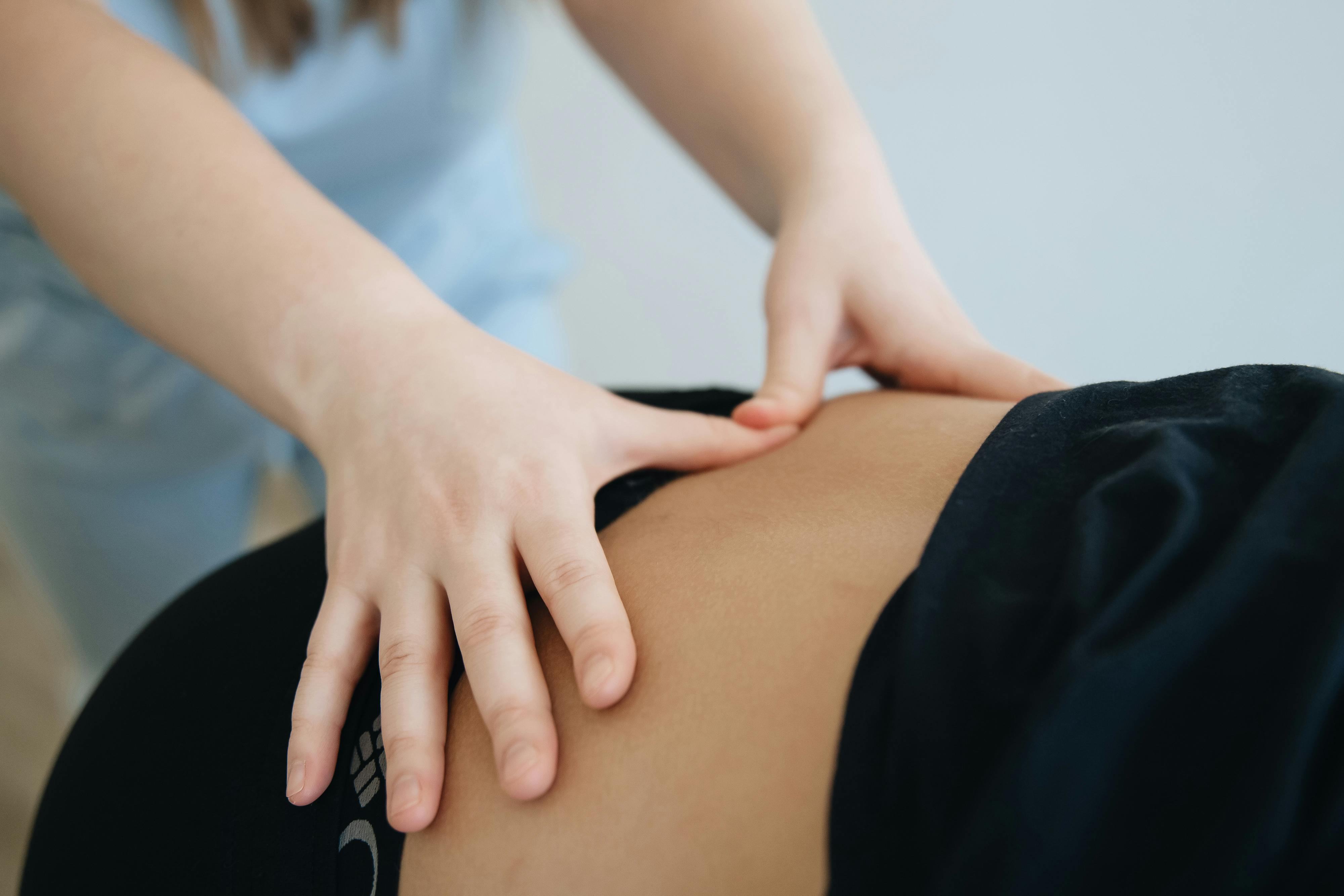
Lower back pain is one of the most common health concerns affecting people of all ages and lifestyles. Lower back pain can make simple activities such as sitting, standing, walking, and sleeping feel uncomfortable and exhausting. Many individuals struggle with Lower back pain because of poor posture, long working hours, heavy lifting, stress, and limited physical activity. Lower back pain often develops slowly over time as muscles become strained and spinal alignment weakens. People searching for ways to manage Lower back pain usually want better comfort, improved mobility, and healthier movement throughout the day. Lower back pain can affect office workers, students, athletes, parents, and older adults who spend long periods sitting or performing repetitive tasks. Managing Lower back pain naturally involves improving posture, strengthening muscles, staying active, and creating healthier daily habits. Many people experience relief from Lower back pain after making small adjustments to their routines and using proper support during work and relaxation. Lower back pain can also impact mood, sleep quality, and energy levels, making it important to focus on long-term comfort and spinal health. With the right strategies and consistent daily habits, Lower back pain can be managed effectively to support a healthier and more active lifestyle.
Understanding Lower back pain
Lower back pain affects the area between the hips and the bottom of the spine. This part of the body supports much of the body’s movement and weight during daily activities. Because the lower back works constantly, it is vulnerable to strain, stiffness, and discomfort.
Many people experience Lower back pain due to weak muscles, poor posture, and repetitive stress on the spine. Sitting incorrectly for long hours can place pressure on the lower back muscles and spinal discs. Heavy lifting and lack of flexibility can also contribute to Lower back pain over time.
Understanding the causes of Lower back pain is important for finding long-term relief and improving daily comfort naturally.
Common Causes of Lower back pain
There are several common reasons why people experience Lower back pain in everyday life.
Poor Posture
Slouching while sitting or standing places extra pressure on the spine and weakens supporting muscles.
Long Hours of Sitting
Office workers and students often remain seated for long periods, increasing stiffness and muscle tension.
Weak Core Muscles
Weak abdominal muscles fail to support the lower back properly, increasing strain during movement.
Heavy Lifting
Improper lifting techniques can strain muscles and joints in the lower back.
Stress and Muscle Tightness
Stress often causes tension in the back and shoulders, making discomfort worse.
The Importance of Daily Comfort
Daily comfort plays a major role in managing Lower back pain successfully. Small improvements in posture, movement, and support can reduce stress on the spine and improve physical wellness.
Comfortable sitting positions, supportive furniture, and regular movement help the muscles relax naturally. Many individuals notice reduced Lower back pain after improving their daily posture habits and using ergonomic support.
Daily comfort is not only about reducing pain but also about improving mobility, flexibility, and overall quality of life.
Healthy Habits for Managing Lower back pain
Simple lifestyle changes can make a significant difference in reducing Lower back pain naturally.
Maintain Proper Sitting Posture
Sit with the back straight, shoulders relaxed, and feet flat on the floor to reduce spinal pressure.
Take Frequent Movement Breaks
Standing and stretching every hour improves circulation and reduces stiffness.
Stay Physically Active
Regular movement strengthens muscles and supports healthy spinal function.
Use Proper Lifting Techniques
Bend the knees and keep the back straight while lifting heavy objects.
Sleep with Supportive Alignment
A supportive mattress and pillow help maintain healthy posture during sleep.
Exercises That Help Relieve Lower back pain
Exercise is one of the most effective ways to support spinal health and improve mobility.
Stretching Exercises
Stretching improves flexibility and reduces tightness in the hips, hamstrings, and lower back.
Core Strengthening
Strong abdominal muscles help support the spine and reduce pressure on the lower back.
Walking
Walking is a low-impact exercise that encourages healthy movement and circulation.
Yoga and Pilates
These activities improve posture, flexibility, and balance while reducing muscle tension.
How Core Strength Supports Back Health
Core muscles are essential for maintaining spinal stability and balance. Weak core muscles force the lower back to work harder during daily movement, increasing the risk of pain and fatigue.
People experiencing Lower back pain should focus on strengthening the abdomen and lower back with gentle exercises such as planks and bridges. Strong core muscles improve posture and reduce strain on the spine.
A stronger core also improves balance and helps prevent future injuries during physical activities.
The Role of Ergonomic Support
Ergonomic support can improve comfort and reduce Lower back pain during work and relaxation.
Ergonomic Chairs
Supportive chairs help maintain proper spinal alignment while sitting.
Lumbar Support Cushions
Lumbar cushions support the natural curve of the lower back and reduce pressure.
Standing Desks
Alternating between sitting and standing helps reduce stiffness and muscle fatigue.
Supportive Footwear
Comfortable shoes improve balance and reduce stress on the lower back and legs.
Managing Lower back pain at Work
Many people experience Lower back pain because of long hours spent working at desks. Improving workspace ergonomics can reduce discomfort and improve posture.
Position the monitor at eye level and keep the shoulders relaxed while typing. Adjust the chair height so the knees remain at a comfortable angle. Use lumbar support if necessary and avoid leaning forward while sitting.
Taking short standing and stretching breaks throughout the day can also help reduce muscle tension and stiffness.
How Stress Affects Lower back pain
Stress can increase muscle tightness and make Lower back pain feel worse. Many people carry stress in their shoulders and lower back, leading to stiffness and fatigue.
Relaxation techniques such as meditation, stretching, and deep breathing can help reduce muscle tension naturally. Managing stress also improves sleep quality and emotional well-being, which supports physical comfort.
Reducing stress is an important part of maintaining long-term relief from Lower back pain.
Signs That Lower back pain Needs Attention
Recognizing early warning signs can help prevent long-term discomfort and spinal strain.
Persistent Stiffness
Constant tightness may indicate poor posture or muscle strain.
Pain During Sitting
Discomfort while sitting often results from inadequate support or poor alignment.
Reduced Flexibility
Limited movement can suggest tight muscles or joint stiffness.
Muscle Fatigue
Poor posture forces muscles to work harder than necessary.
Difficulty Standing for Long Periods
Weak muscles and spinal strain can make standing uncomfortable.
Healthy Lifestyle Choices for Better Back Support
Healthy habits play an important role in managing Lower back pain naturally.
Stay Hydrated
Hydration supports healthy muscles and spinal discs.
Maintain a Healthy Weight
Extra body weight increases pressure on the spine and joints.
Eat Nutritious Foods
Healthy nutrition strengthens bones, muscles, and connective tissues.
Get Enough Rest
Quality sleep allows the body to recover and repair itself naturally.
Benefits of Managing Lower back pain Naturally
Natural methods for managing Lower back pain focus on long-term improvement and healthier movement habits.
Improved Mobility
Healthy posture and movement improve flexibility and comfort.
Better Energy Levels
Reduced muscle strain helps people feel more active throughout the day.
Enhanced Confidence
Standing and sitting upright improves posture awareness and body language.
Reduced Risk of Future Pain
Stronger muscles and better posture help prevent recurring discomfort.
Improved Quality of Life
People often feel more productive and comfortable after reducing Lower back pain.
Creating a Daily Routine for Comfort
Consistency is one of the most important factors in managing Lower back pain successfully.
Start each day with gentle stretching exercises and maintain posture awareness throughout daily activities. Avoid sitting for long periods without movement and stay active whenever possible.
Using ergonomic furniture and supportive accessories can also improve comfort during work and relaxation.
Small daily improvements can create long-term benefits for spinal health and physical wellness.
The Connection Between Posture and Lower back pain
Poor posture is one of the leading causes of Lower back pain. Slouching and leaning forward place unnecessary pressure on the spine and surrounding muscles.
Improving posture helps distribute body weight evenly and reduces strain on the lower back. Many people experience less pain and better movement after correcting posture habits consistently.
Healthy posture also improves breathing, circulation, and body balance, supporting overall wellness.
Conclusion
Lower back pain can affect comfort, movement, and daily activities, but healthy habits and supportive routines can provide long-term relief naturally. By improving posture, strengthening muscles, staying active, and reducing stress, individuals can support better spinal health and reduce discomfort.