
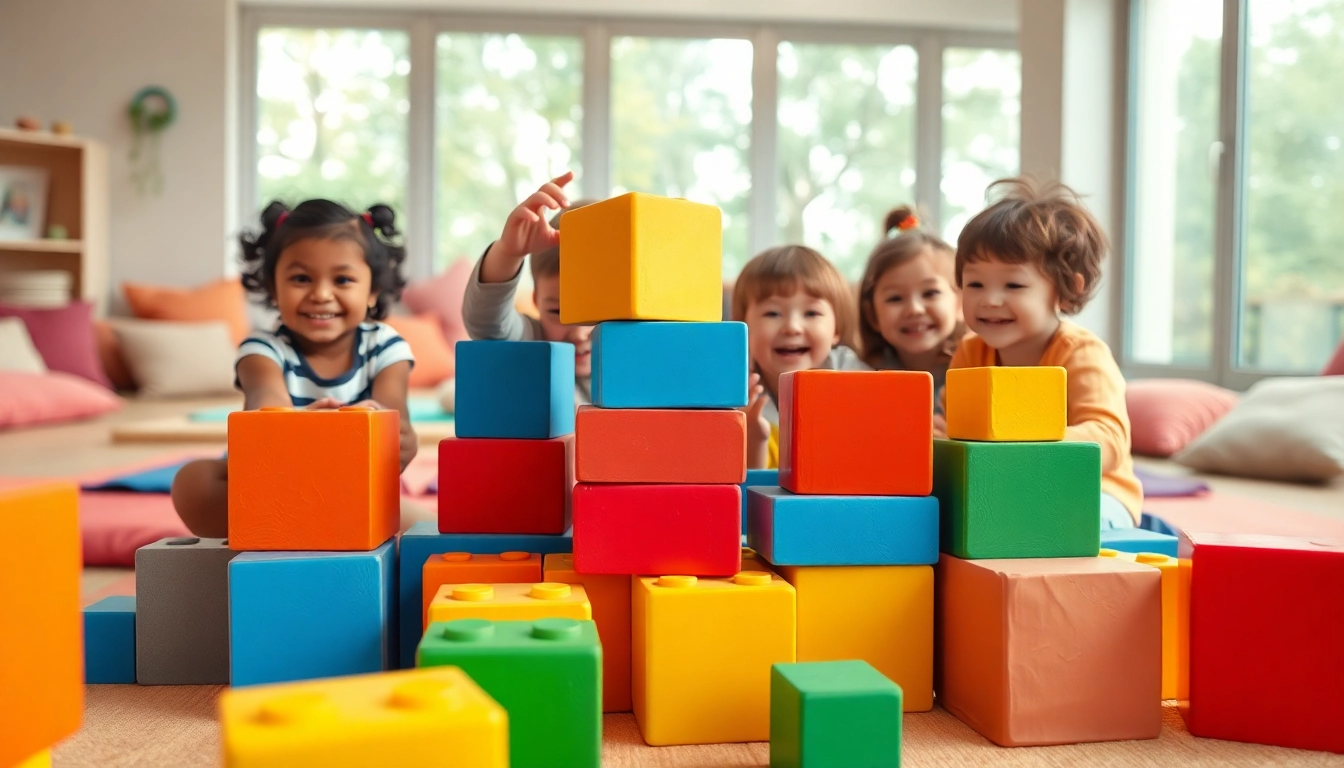
Introduction to Giant Building Blocks
What Are Giant Building Blocks?
Giant building blocks are oversized, lightweight blocks designed for children to construct, create, and play with. Typically made from durable foam or plastic, these blocks come in various shapes, sizes, and colors to inspire imaginative play. Their substantial size not only allows for a plethora of construction possibilities but also encourages active play and social interaction among children. Unlike standard building blocks, giant versions facilitate an entirely different level of engagement, allowing kids to build structures that are truly larger than life.
Benefits of Giant Building Blocks for Kids
The benefits of giant building blocks go beyond simple entertainment. At the core, these blocks promote physical, cognitive, and social development in children. As your little ones lift, stack, and arrange blocks of varying sizes, they enhance their physical strength and coordination. This act of building fosters critical thinking and spatial awareness, as children must strategize about weight distribution and balance while stacking their creations high. Moreover, giant blocks serve as tools for collaborative play, allowing children to work together, share ideas, and develop teamwork skills. For a more in-depth look at how these blocks can enrich your child’s playtime, you can discover more.
Safety Considerations for Indoor Play
Safety is paramount when it comes to playtime. Giant building blocks are inherently safer than smaller blocks due to their size and lightweight construction, which minimizes the risk of injury during use. Nevertheless, certain precautions should be observed to ensure a secure play environment. First, always supervise children during play to prevent misuse or accidents. Ensure that your play area is free of sharp edges or obstacles that could cause tripping. Regularly inspect the blocks for wear and tear, as damaged pieces can pose choking hazards. Teaching children about safe play practices—like avoiding climbing on unstable structures—can further enhance safety in their play environments.
Encouraging Creative Play
Imaginative Building Projects
Giant building blocks are versatile tools for imaginative play, providing children with the freedom to create anything from towering castles to cozy fortresses. Encourage your children to venture into themed projects, such as constructing a pirate ship or a zoo for stuffed animals. These directed projects can elevate the play experience, adding layers of storytelling and collaboration as kids enact scenarios with their creations. Consider creating a "building challenge" where children have a set time to construct a specific object, fostering creativity alongside friendly competition.
Role of Color in Creativity
The color of toys plays a significant role in stimulating creativity and cognitive development. Bright, vibrant colors can capture children's attention and prompt them to explore various combinations and designs. Using color-themed blocks can enhance creativity; for example, a “rainbow building” project could challenge children to use a specific color for each layer they build. This approach not only makes construction fun and engaging but also introduces essential concepts of color recognition and categorization.
Building Social Skills Through Collaboration
Social pliability is essential for children's development, and play often serves as a primary means of cultivating these skills. When playing with giant building blocks, children are naturally encouraged to collaborate, negotiate, and share ideas. Group projects can enhance their communication skills, as they discuss what they want to build and how to achieve their vision. Role-playing scenarios encourage them to take turns and take responsibility for their part of the construction, further fostering respect and empathy among peers.
Educational Benefits of Block Play
Enhancing Problem-Solving Skills
Problem-solving is an invaluable skill that children develop during block play. As young builders encounter challenges—such as blocks that won't stay stacked or structures that crumble—they are prompted to think critically and creatively about solutions. This iterative process encourages them to try multiple strategies, assess failures, and refine their techniques. Over time, they become adept at approaching obstacles methodically, a skill that will serve them well in various aspects of life.
Understanding Basic Physics Concepts
Playing with giant building blocks is an excellent opportunity for children to grasp fundamental physics concepts, including balance, gravity, and symmetry. For example, as they stack blocks, they learn about weight distribution and stability. Children experimenting with designs will quickly discover that a wider base can support taller structures. Through exploration and play, they develop an intuitive understanding of these principles, creating a seamless blend of education and entertainment.
Promoting Fine Motor Skills Development
Manipulating giant building blocks supports the development of fine motor skills. As children grasp, lift, and balance blocks, they strengthen the small muscles in their hands and fingers. This hand-eye coordination is essential for numerous activities, including writing and self-care tasks. Providing children with various building activities—like stacking, sorting, and assembling—creates an engaging way to develop these skills in a fun context.
Setting Up a Play Area
Designing an Inspiring Indoor Space
Creating an inspiring play area can significantly enhance your child's building experience. Start by designating a spacious, soft-surfaced area in your home, preferably one that allows for easy cleanup. Consider using foam mats or carpeting to cushion any falls or tumbles. Adequate lighting is also essential—natural light can enhance creativity, while soft, warm lighting can create a cozy atmosphere for play. Incorporate storage solutions nearby, such as baskets or shelves, to keep blocks organized and easily accessible, encouraging more frequent play.
Essential Equipment for Safety
Safety equipment can considerably reduce the risk of accidents during playtime. Ensure that all blocks have rounded edges and are made from non-toxic materials. Soft flooring helps mitigate injuries from falls. Additionally, having safety guidelines prominently displayed can remind children of the rules and best practices for safe play. Non-slip mats can provide extra stability when children are moving around their play area.
Organizing Blocks for Maximum Engagement
To maximize engagement, organizing blocks in a visually appealing manner is crucial. Use clear bins or labeling systems to categorize blocks by size or color, allowing children to easily find and access what they need. Regularly rotate the blocks and introduce new ones to maintain interest. Thematic setups, such as a construction zone or a play city, can also offer fresh creative opportunities, sparking inspiration and excitement.
FAQs About Giant Building Blocks
How can giant building blocks help with teamwork?
They promote cooperation as children must communicate and delegate tasks to build structures effectively together.
Are there specific age recommendations for these blocks?
Giant building blocks are suitable for a wide age range, often recommended for children between 3 to 10 years, but always reference product specifications.
What activities can kids do with giant blocks?
Kids can engage in building different structures, role-playing stories, organizing challenges, or teamwork projects that enhance creativity and collaboration.
How do you maintain and clean giant building blocks?
Regularly wipe down blocks with soap and water, and inspect them for damages to ensure they remain safe and hygienic for continued play.
Can giant blocks be used outdoors safely?
Yes, giant blocks can be used outdoors; however, ensure they are made from weather-resistant materials and provide supervision to ensure safe play.